Thai bobun? Is bobun Thai: Vietnamese origins, mix-ups and the real differences with Thai food.
We order it, we love it, and we often give it the wrong label. A tasty investigation.
Many people search for “Thai bobun”. Yet bobun comes from Vietnam, and even its name has a Franco-Vietnamese story.
Here we trace its origins, explain the confusion and compare it with the Thai dishes it is mistaken for.
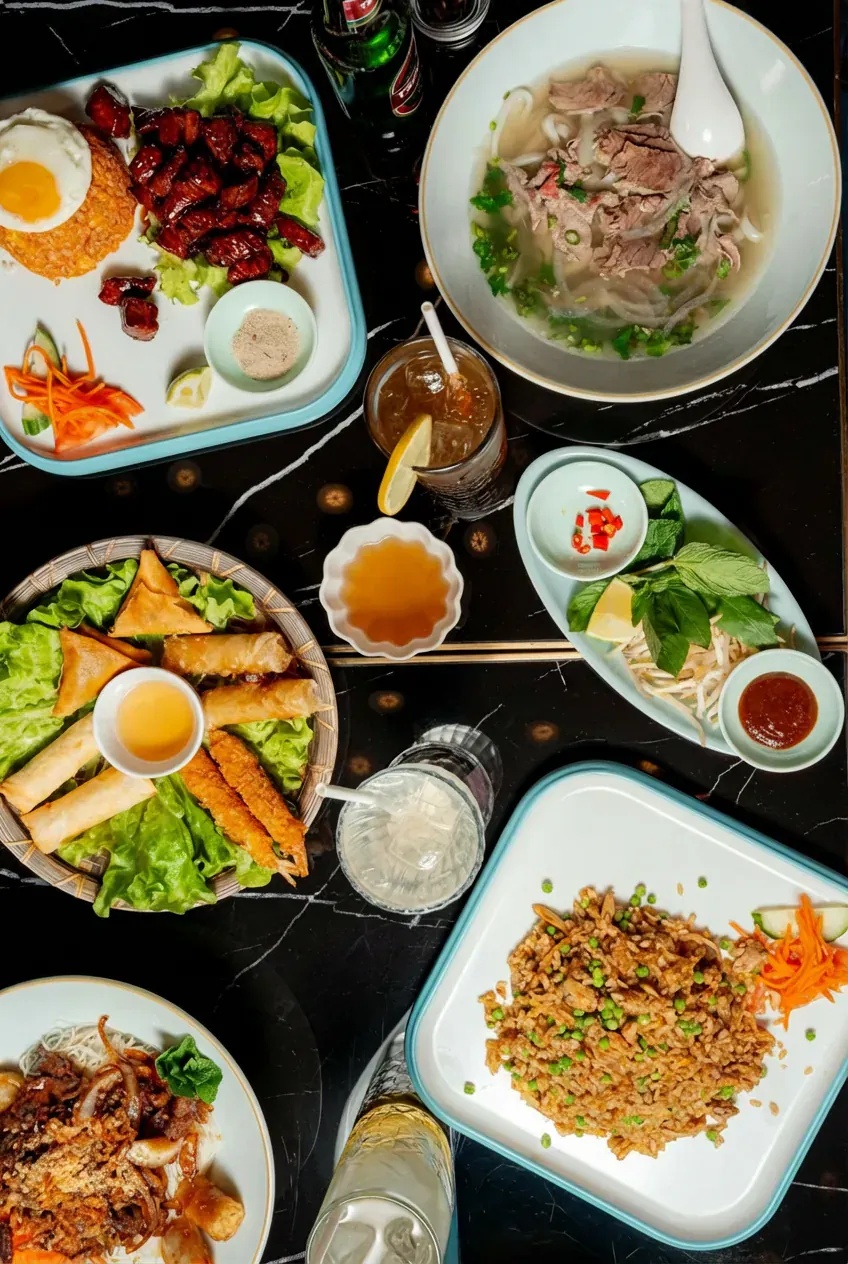
Bobun is not Thai: it is the Vietnamese bún bò Nam Bộ, renamed “bo bun” in France by the Vietnamese diaspora. It combines thin rice vermicelli served warm or cold, lemongrass beef, raw vegetables, herbs, peanuts and nước chấm sauce poured at the table. It is confused with Thai food because of shared ingredients and mixed Asian menus, while pad thai or khao soi use other noodles, other sauces and built-in chilli.
Where does bobun come from? A Vietnamese dish with a… Parisian name
Bún bò Nam Bộ: the original dish
“Bún” means rice vermicelli, “bò” means beef, “Nam Bộ” refers to the South: southern-style beef vermicelli.
Why “bo bun” in France: the word swap
In France the word order was reversed into “bo bun” by diaspora restaurants. For how it differs from its soup cousin, see our article on the difference between bobun and phở.
Why people think it is Thai
Three clues usually explain the mix-up.
Mixed “Asian” menus
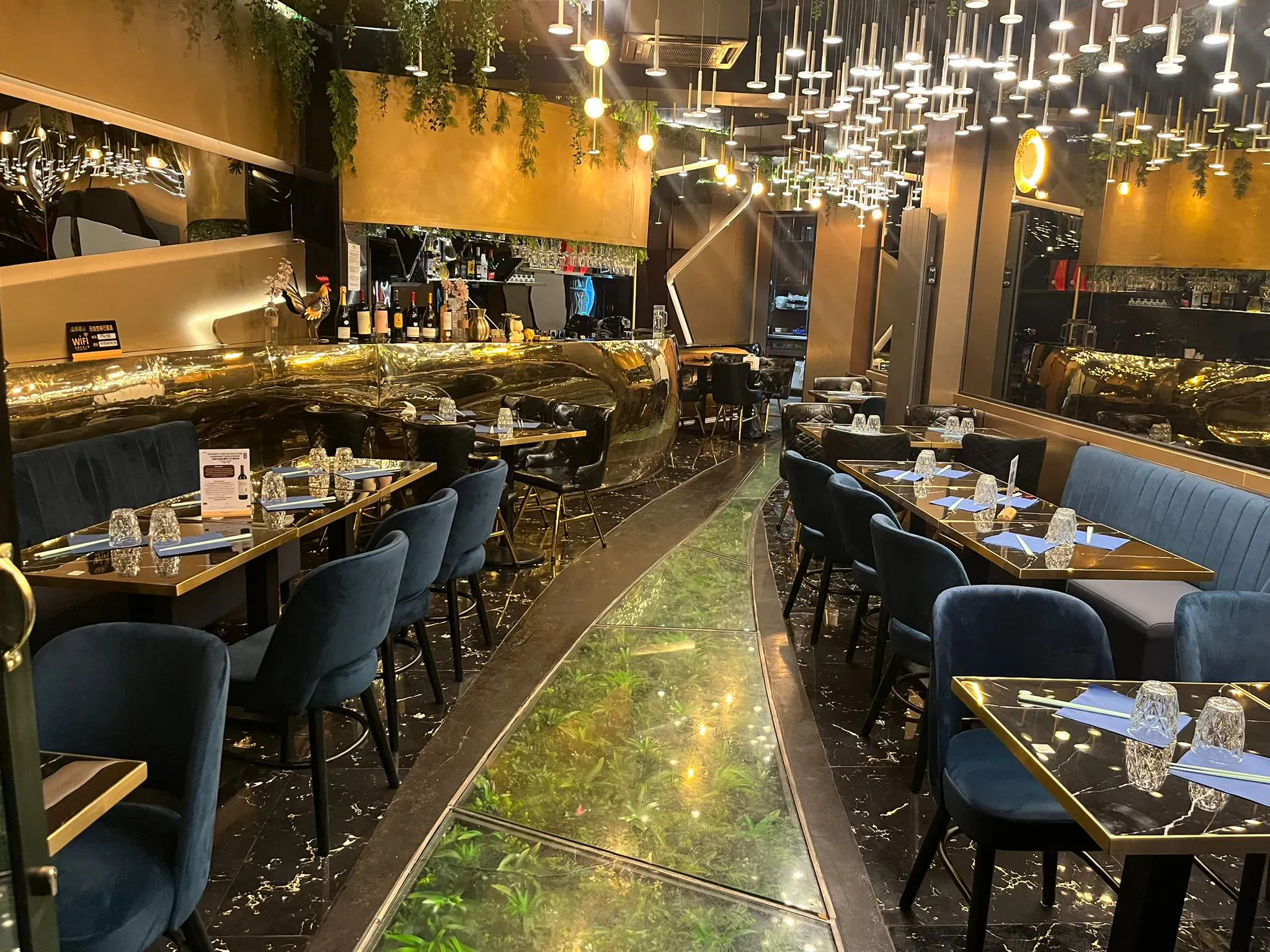
When bobun sits next to pad thai on a menu, the borders blur. At Phở 98, Vietnamese and Chinese cuisines coexist, as told on our page Asian restaurant in Paris.
Shared ingredients: lemongrass, Thai basil, peanuts, lime
Both cuisines share a tropical pantry, but sharing ingredients does not mean sharing recipes.
“Sushi bo bun” and catch-all menus
The wider the menu, the blurrier each dish’s origin becomes.
Bobun vs Thai dishes: the comparison
Look at temperature and sauce: that is where it all happens.
| Dish | Noodles | Temperature | Sauce | Herbs | Chilli |
|---|---|---|---|---|---|
| Bò bún (Vietnam) | Thin rice vermicelli | Warm or cold | Nước chấm | Mint, coriander | On the side |
| Pad thai (Thailand) | Flat rice noodles | Stir-fried, hot | Tamarind, fish sauce | Spring onion, sprouts | Often on the side |
| Khao soi (Thailand) | Egg noodles | Hot curry soup | Coconut curry | Coriander, shallot | In the curry |
Bò bún is a warm assembly you season yourself; most Thai dishes arrive already seasoned.
Noodles, sauce, heat: the real differences
Noodles
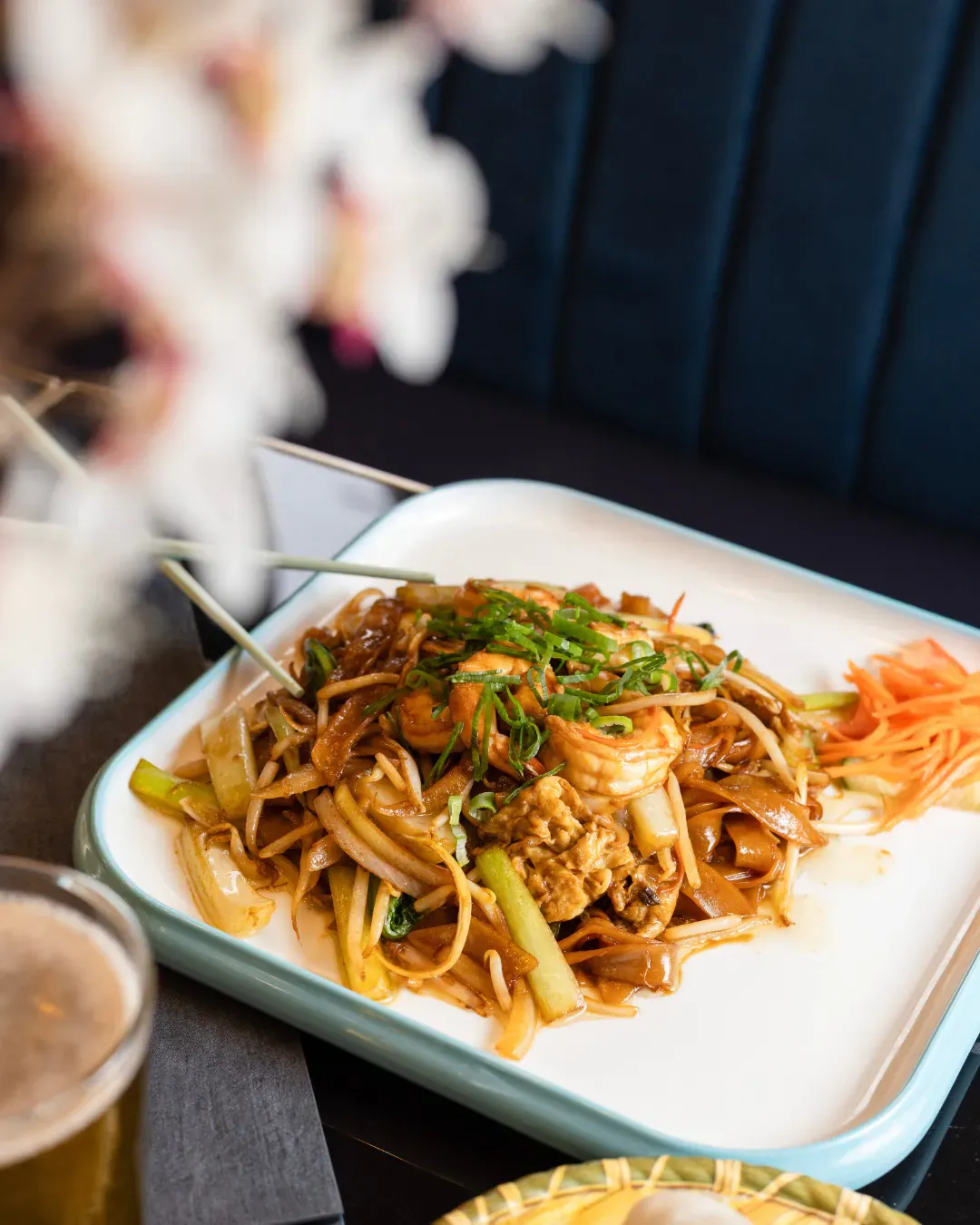
Bò bún uses thin vermicelli, never wok-fried; pad thai uses flat stir-fried rice noodles.
Sauce
Nước chấm balances sweet, sour and salty and is poured at the table; Thai sauces are cooked in.
Heat
Bobun is not spicy: chilli is added at the table, while many Thai dishes cook it in.
Is there such a thing as “Thai bobun”?
Not traditionally. Fusion versions with curry or satay sauce exist, but they change the sauce and the heat, and become something else.
Spotting an authentic bobun
- Thin, unfried rice vermicelli.
- Clear nước chấm served on the side.
Vietnamese bobun variations: beef, lemongrass chicken, nem, vegetarian
Same principle, different toppings.
Beef
Lemongrass-marinated beef, quickly seared.
Lemongrass chicken
A milder, lighter option.
With nem
Crispy fried spring roll for contrast.
Vegetarian
Tofu instead of meat.
The bobun nem is a fried roll, not a fresh one: see our guide nems or spring rolls.
Discover how we prepare them on our page about bò bún in Paris 9th.
Where to taste Vietnamese bobun in the 9th
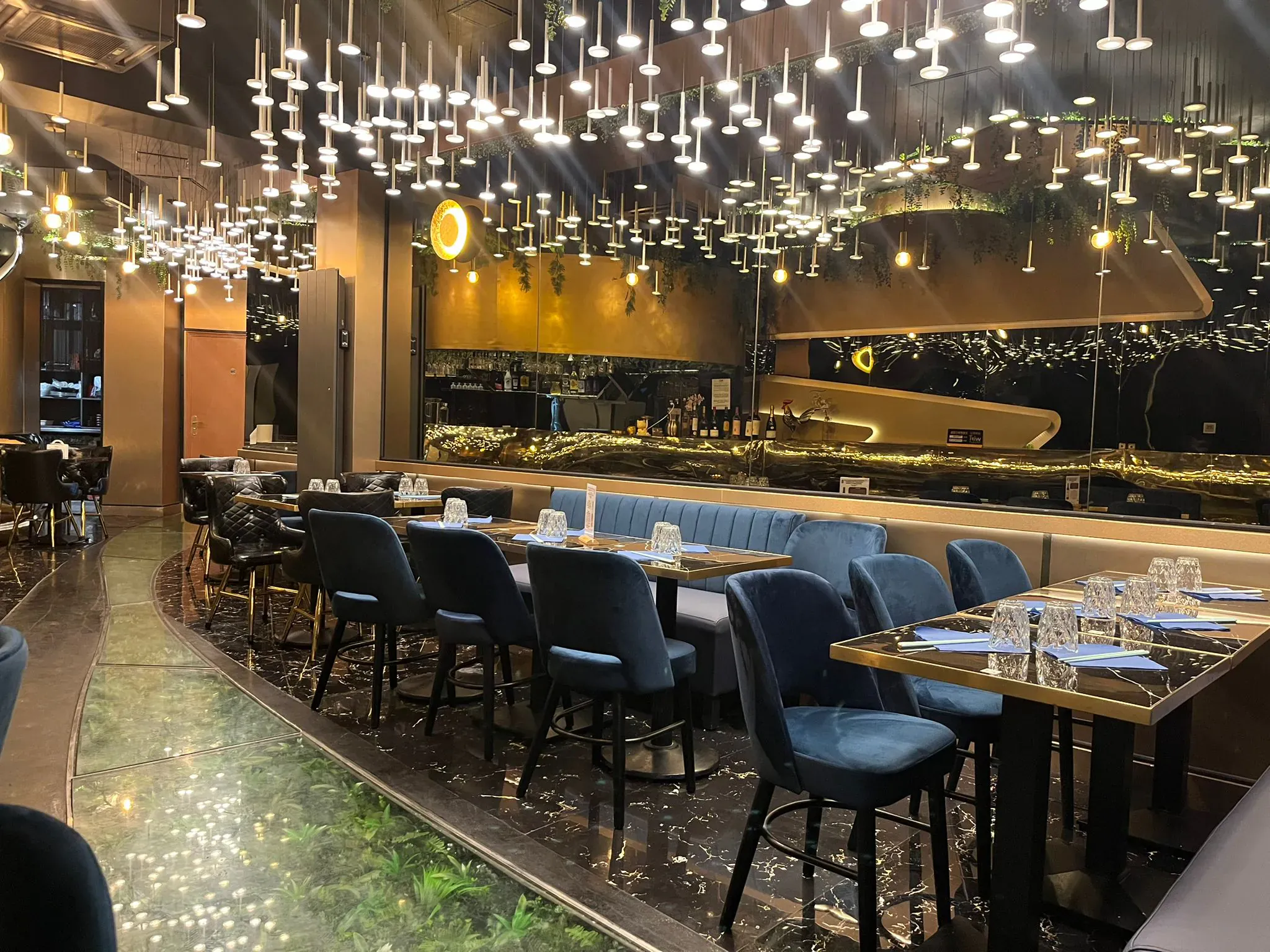
At Phở 98, bò bún comes with beef, lemongrass chicken or nem, plus Thai-basil stir-fries on the menu to compare.
Thai or Vietnamese bobun: your questions
Is bobun Thai or Vietnamese?
Vietnamese: it is bún bò Nam Bộ, renamed “bo bun” in France.
What does “bún” mean?
Rice vermicelli; “bò” means beef.
Is bobun eaten hot or cold?
Warm or cold, with freshly seared meat.
Bobun vs pad thai?
Bobun: unfried vermicelli and nước chấm. Pad thai: stir-fried flat noodles with tamarind.
Is bobun spicy?
No, chilli is added at the table.
Is Thai basil used in Vietnamese cooking?
Yes, notably with phở.
Going further
Everything about our bò bún is on our page bo bun restaurant, in the 9th arrondissement.
How to eat a bobun: toss, pour the sauce, adjust the herbs
Every bite should bring a bit of everything.