Nems and spring rolls: telling them apart.
Two Vietnamese classics everyone lumps together, yet everything sets them apart: one is fried and hot, the other raw and fresh. Here is the full breakdown.
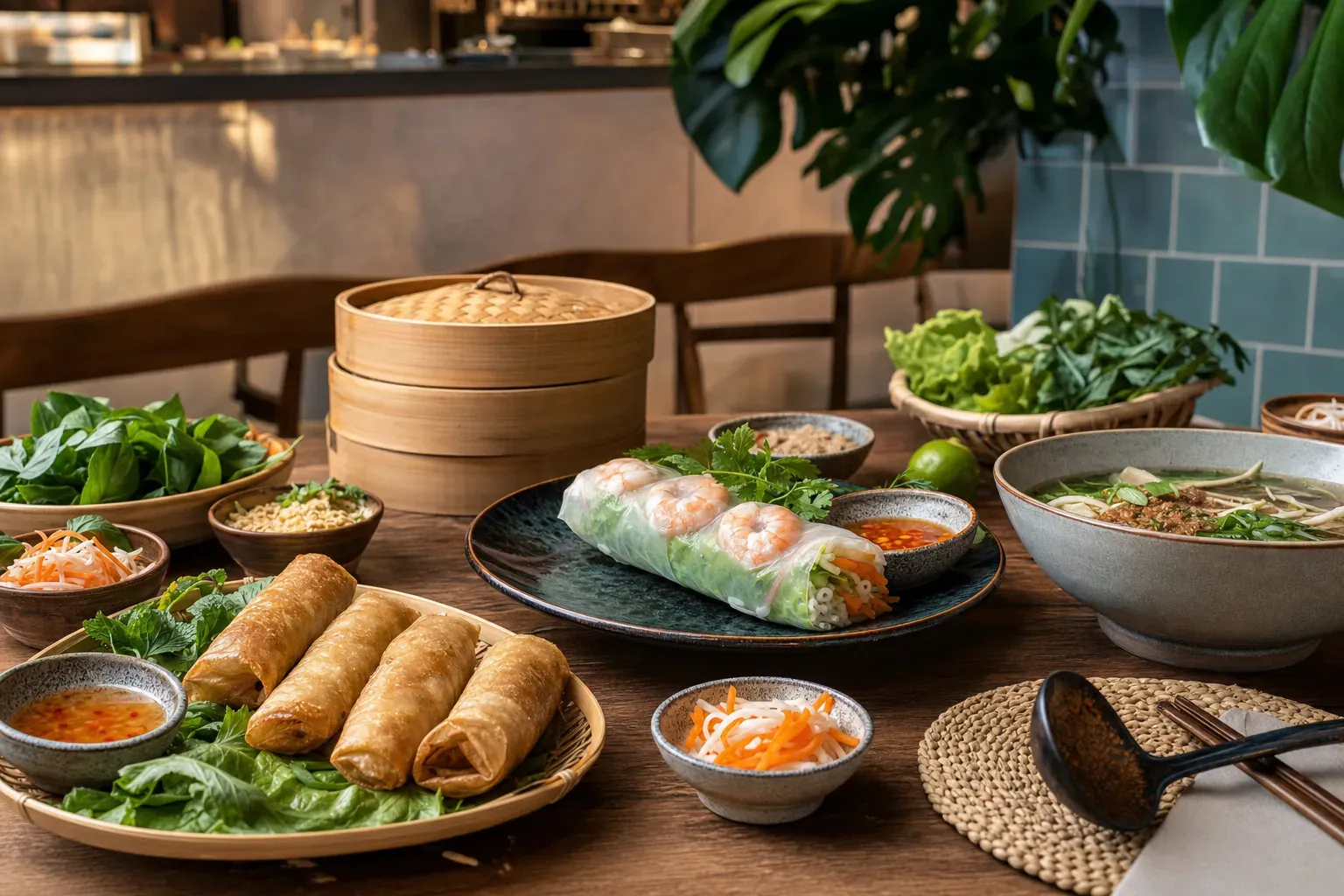
The nem is fried: a rice sheet rolled over a meat-and-vegetable filling, deep-fried until golden and crisp, served hot. The spring roll is raw: a simply rehydrated rice sheet filled with shrimp, vermicelli and fresh herbs, served cold. In short, the nem crunches and warms, the spring roll refreshes — two starters, two pleasures, two sauces.
Why so many people confuse them
On a Vietnamese menu they sit side by side under "starters", with names that look alike. Many assume they are the same dish under two labels, or a matter of size. In fact they are two fundamentally different preparations that share only the thin rice sheet wrapping them.
The words add to the confusion. "Nem" came to mean the fried roll in France, while Vietnam says "chả giò" in the South and "nem rán" in the North. The fresh spring roll is "gỏi cuốn", the "salad roll".
Once you know the rule it sticks: it all comes down to cooking. The nem goes through hot oil, the spring roll never does. Everything else follows from that.
Nems: the golden fried roll
A nem starts with a filling: finely chopped meat (usually pork, sometimes chicken or shrimp) mixed with soaked rice vermicelli, grated carrot, black mushroom and aromatics, then rolled tightly in a rice sheet.
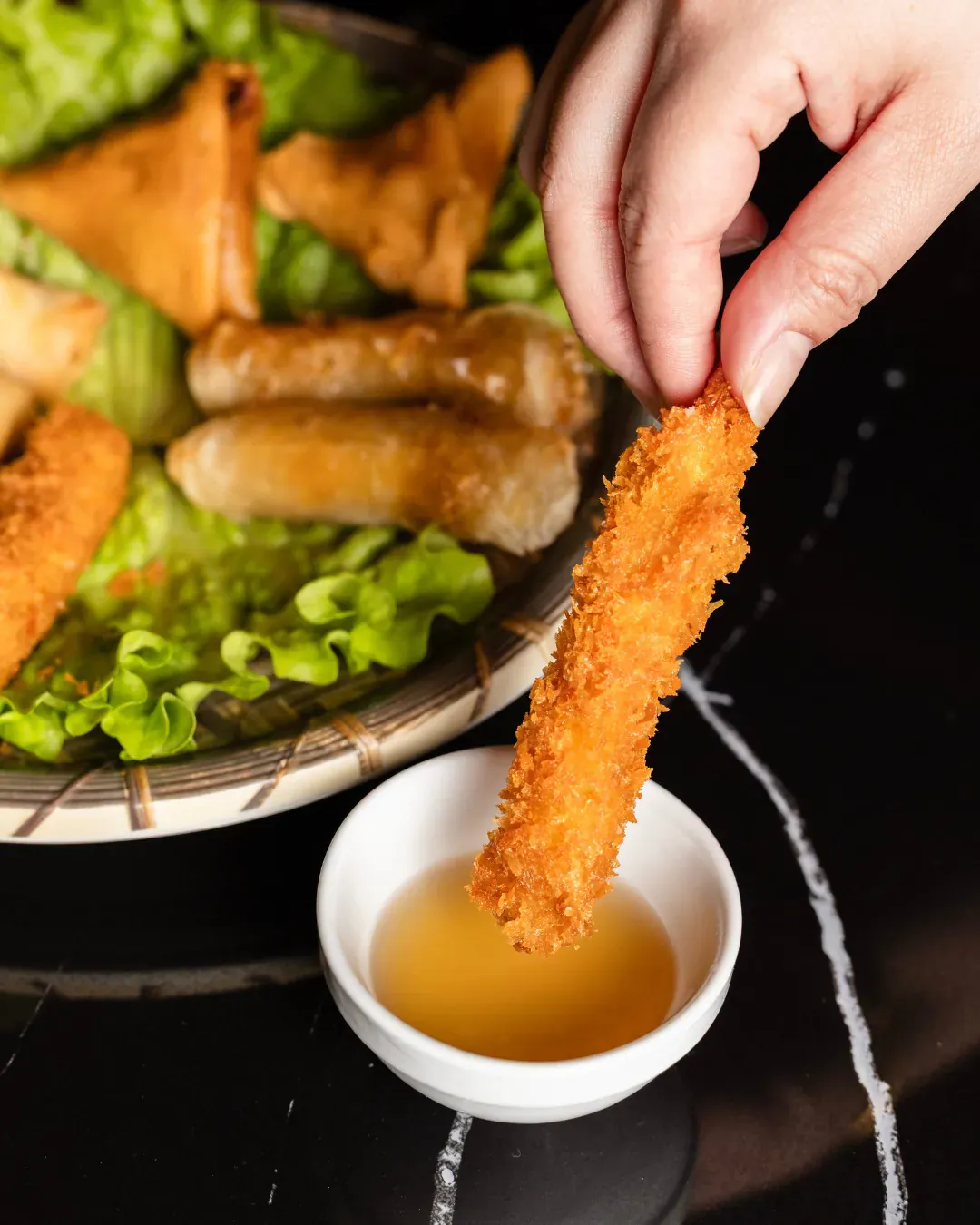
Then comes the defining act: frying. Plunged into hot oil, the sheet turns golden and brittle, giving that crackling shell around a soft, steaming heart. That contrast is the nem’s signature.
It is always served hot, at the very start of the meal — "nem rán" in the North, "chả giò" in the South, simply "the nem" here: the quintessential Vietnamese starter.
Frying, a matter of craft
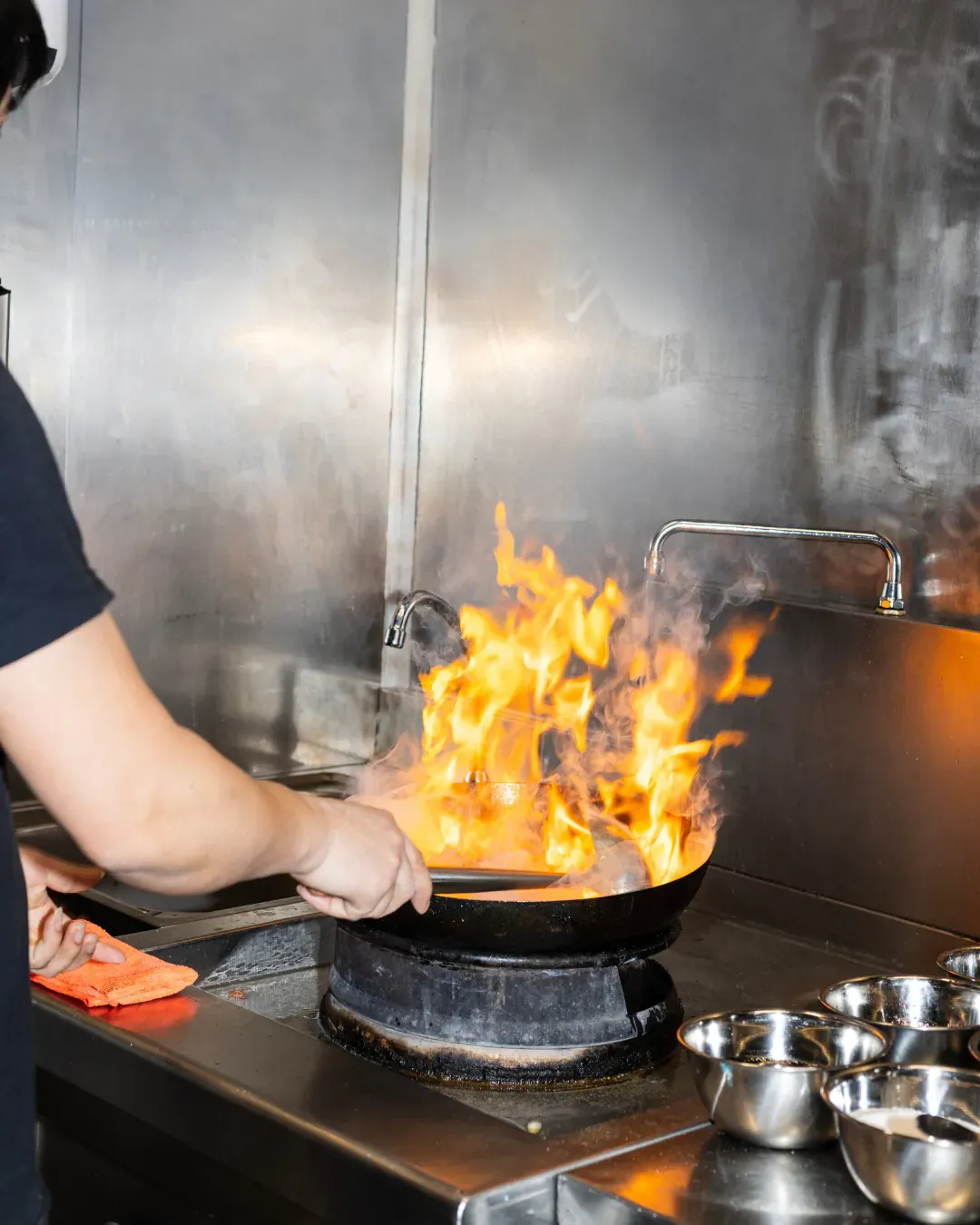
A good nem hinges on oil temperature and timing. Too cool and the sheet turns soggy; too hot and it burns before the heart warms through.
The wrapper matters as much: rolled by hand, one by one, tight enough to hold without splitting.
And a nem is eaten within the minute — fried to order so the first bite is as crisp as the last.
Spring rolls: raw freshness
The spring roll is the nem’s exact opposite: no frying. The rice sheet is simply soaked until soft and translucent, filled cold, rolled, and eaten as is.
Inside: halved cooked shrimp glowing through the wrapper, rice vermicelli, crunchy salad and a generous bunch of fresh herbs — mint, coriander, sometimes Thai basil.
This is "gỏi cuốn", the salad roll of southern Vietnam, born of a hot climate that seeks freshness over comfort.
To never hesitate again, here are the six points that set the nem apart from the spring roll — same rice sheet, two very different plates:
| Criterion | Nems | Spring rolls |
|---|---|---|
| Cooking | Deep-fried | None, raw |
| Texture | Crisp, brittle | Soft, fresh |
| Temperature | Served hot | Served cold |
| Lightness | Rich, indulgent | Light, low-calorie |
| Sauce | Tangy nuoc-cham | Hoisin-peanut |
| Occasion | Comfort, cold season | Freshness, warm season |
How to enjoy them
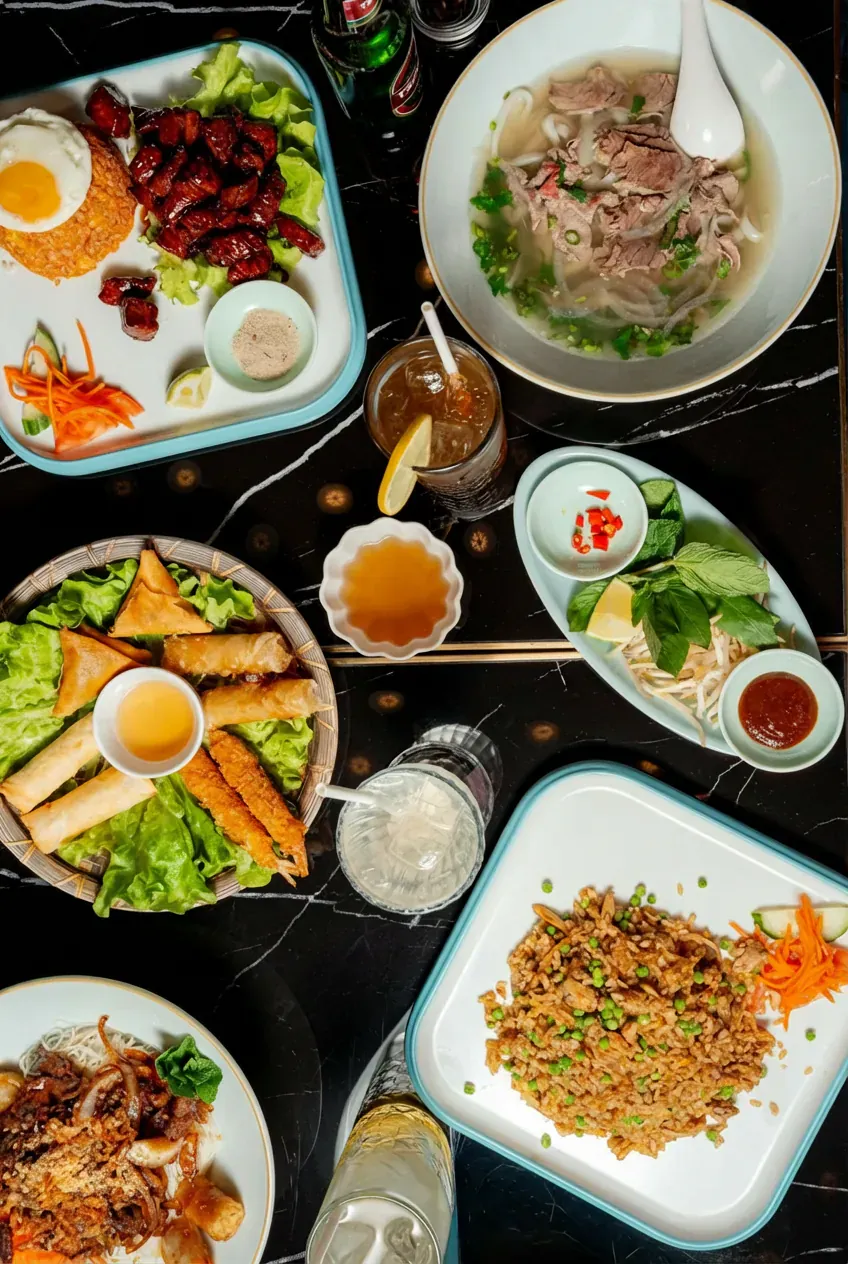
The hot, crisp nem is wrapped in a lettuce leaf with mint and coriander, then dipped in sauce — cool greens tempering the fried richness in one bite.
The spring roll is eaten as is, halved or whole by hand, dipped generously in its sauce: the perfect starter for warm days.
In both cases the plating counts: fresh herbs, lime, crunchy salad and a little dish of sauce to share.
Which sauce for each?
The sauce matches the roll to its character. To each its own.
Nem: nuoc-cham
A bright, clear sauce of fish sauce, water, sugar, lime, garlic and chilli. Its acidity cuts through the fried richness.
Spring roll: hoisin-peanut
A dark, creamy sauce of sweet hoisin and crushed peanut, sometimes touched with chilli, wrapping the raw freshness with body.
Nems and rolls at Phở 98, Paris 9e
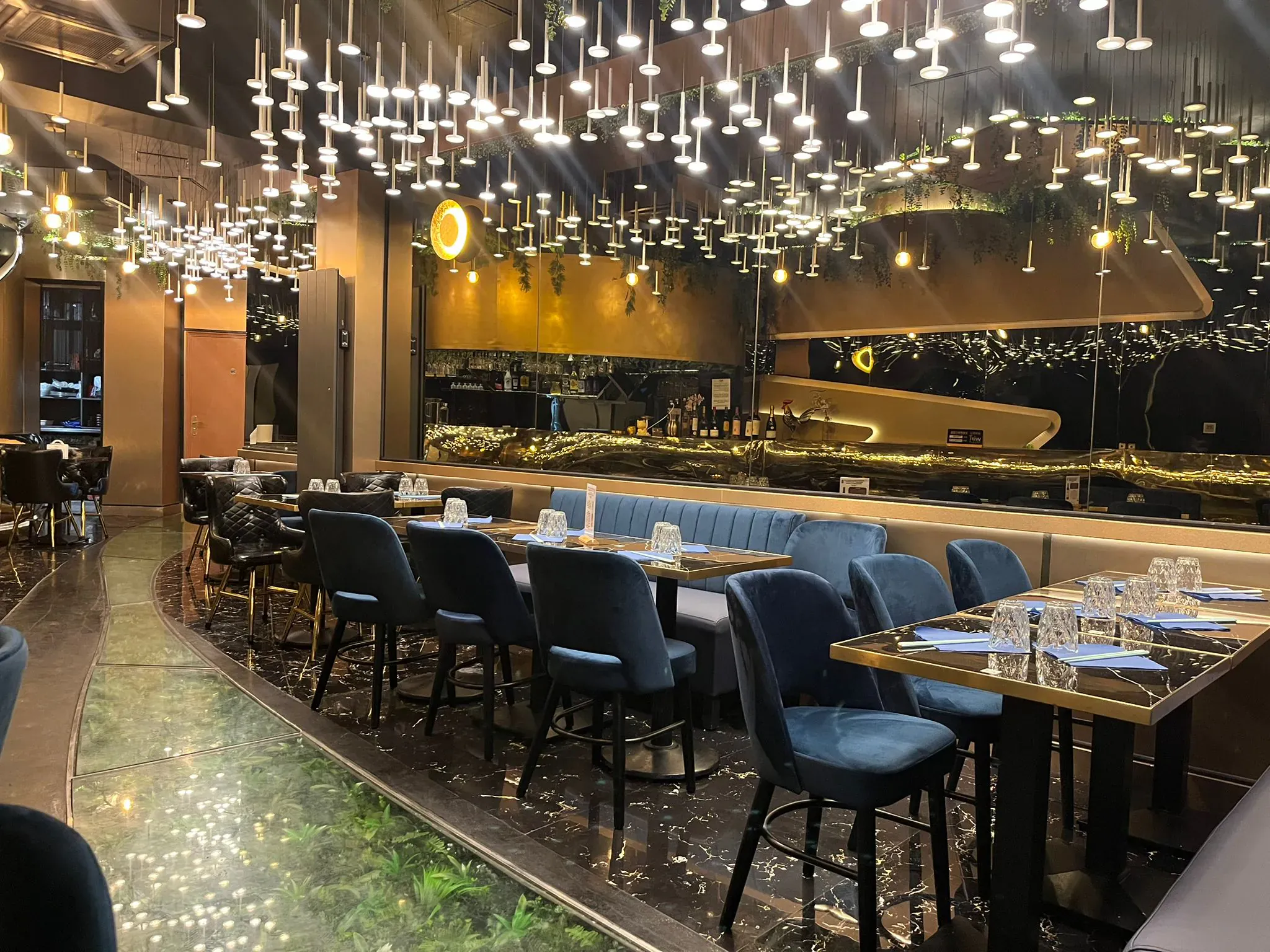
At 45 rue du Faubourg Montmartre, we make our starters in-house: nems fried to order for an intact crunch, spring rolls assembled at the last minute for full freshness — the tastiest way to open a meal before a steaming bowl of phở.
Your questions about nems and spring rolls
Are nems always fried?
Yes. The nem is defined by frying: a rice sheet rolled over a filling and deep-fried until golden and crisp. That is exactly what sets it apart from the never-cooked spring roll.
Is the spring roll eaten cold?
Yes. The spring roll (gỏi cuốn) is eaten raw and cold, or at most lukewarm. Its rice sheet is soaked in water, never fried.
Which are lighter?
Spring rolls. With no frying or oil, filled with herbs, shrimp and vermicelli, they are clearly lighter than the richer fried nems.
Where do they come from?
Both are Vietnamese classics. The fried nem is "nem rán" in the North, "chả giò" in the South. The fresh spring roll, "gỏi cuốn", is a southern speciality.
Which sauce goes with each?
The nem is dipped in a tangy nuoc-cham; the spring roll pairs with a dark, creamy hoisin-peanut sauce.
Can they be ordered as takeaway?
Yes. Our starters are available in the restaurant and as takeaway, with online ordering through our delivery partners.
Going further
Fancy the quintessential Vietnamese starter? Discover our nems, homemade and fried to order, the ideal opening to a meal at Phở 98.