
Homemade beef pho recipe: the phở bò broth, step by step
A real phở bò starts with a patient, crystal-clear broth. Here is the full recipe to make it at home: the bones, the toasted spices, the long simmer and how to plate the bowl.
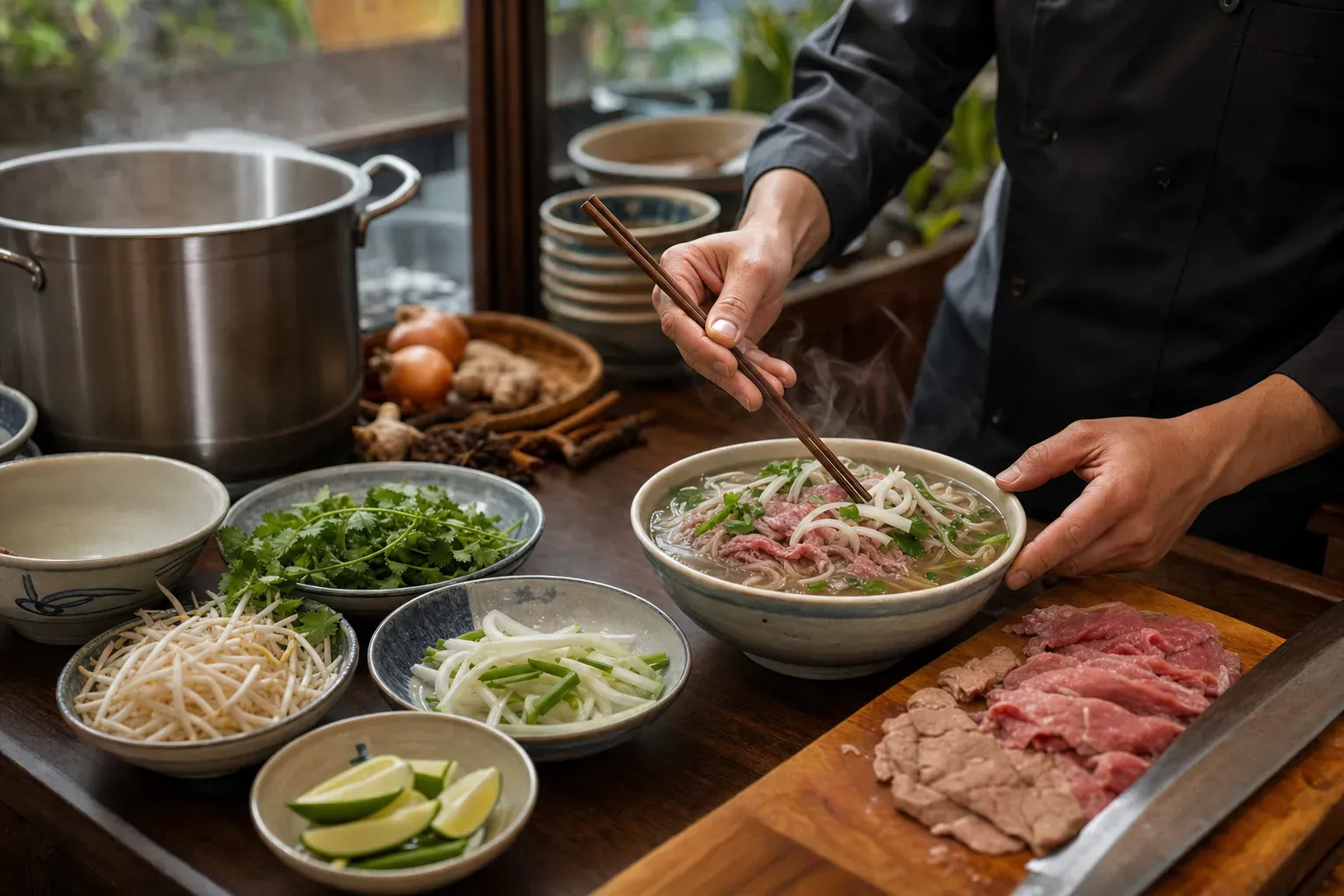
Beef pho is a patient broth first
Before it is a noodle dish, phở bò is a broth — everything else rests on that base. A good bowl is recognised first by its amber, almost translucent broth with no film of fat on top.
That clarity comes from a long, gentle simmer that never boils hard, and from patient skimming. You are not looking for difficulty here, only time and attention.
Nothing is technically hard: a large pot is enough. Set aside a quiet half-day and most of the work happens on its own while the broth infuses.
Ingredients for a homemade phở bò
For six large bowls, gather good beef bones, whole spices and fresh garnishes. Quality matters more than quantity.
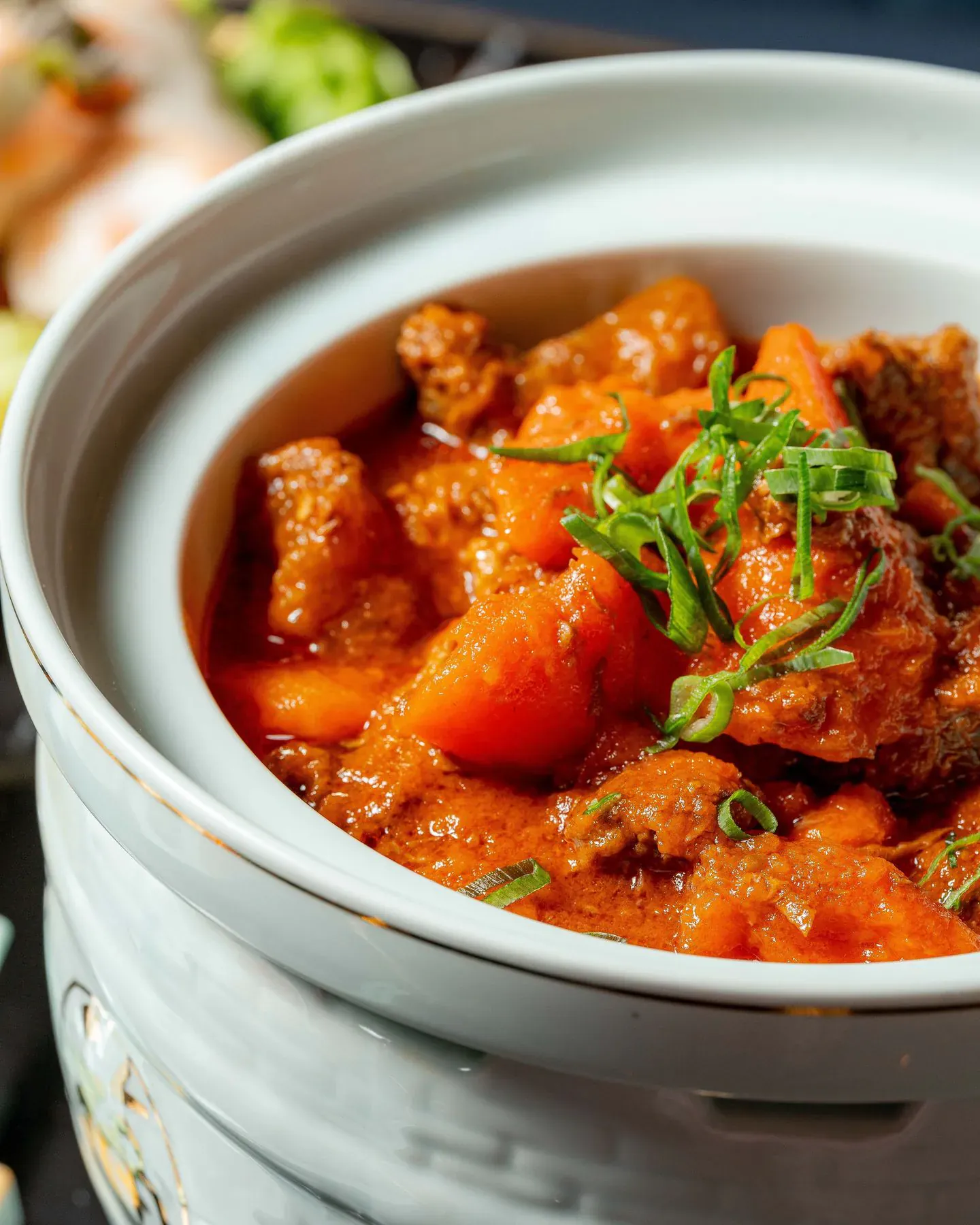
About 1.5 kg of collagen-rich bones (shank, marrow) and 800 g of braising beef such as chuck. Bones give body, the meat gives flavour and is sliced into the bowl.
4–5 star anise, 1 cinnamon stick, 3 green cardamom pods, 4 cloves and a teaspoon of coriander seeds — always whole and toasted.
Flat bánh phở rice noodles, onion and ginger to char, fish sauce, a little cane sugar, and to finish: coriander, Thai basil, bean sprouts, lime and chilli.
Bones and cuts
Mix gelatine-rich bones with marrow bones, plus a chuck or brisket piece that cooks in the broth then gets sliced. Ask your butcher for cut bones.
The spices
Five spices, dosed with the same restraint: star anise, cinnamon, green cardamom, clove and coriander seeds. They accompany the beef, never overpower it.
Noodles, herbs and garnishes
Buy flat rice noodles labelled bánh phở, fresh if you can. Add coriander, Thai basil, bean sprouts, lime and chilli in the bowl, at the last moment. For a reference bowl before you start, see our guide to the best phở in Paris 9e.
Step 1: blanch and clarify the bones
This is the step most often skipped, and it is exactly what separates a clear broth from a cloudy one. Rinse the bones, then boil them hard for 5–10 minutes.
Grey scum and impurities rise: discard this first water, rinse the bones and scrub the pot.
Return the clean bones with cold water (4–5 L) and the braising meat, bring gently to a bare simmer, and skim the surface regularly for the first hour.
Step 2: char the aromatics and toast the spices
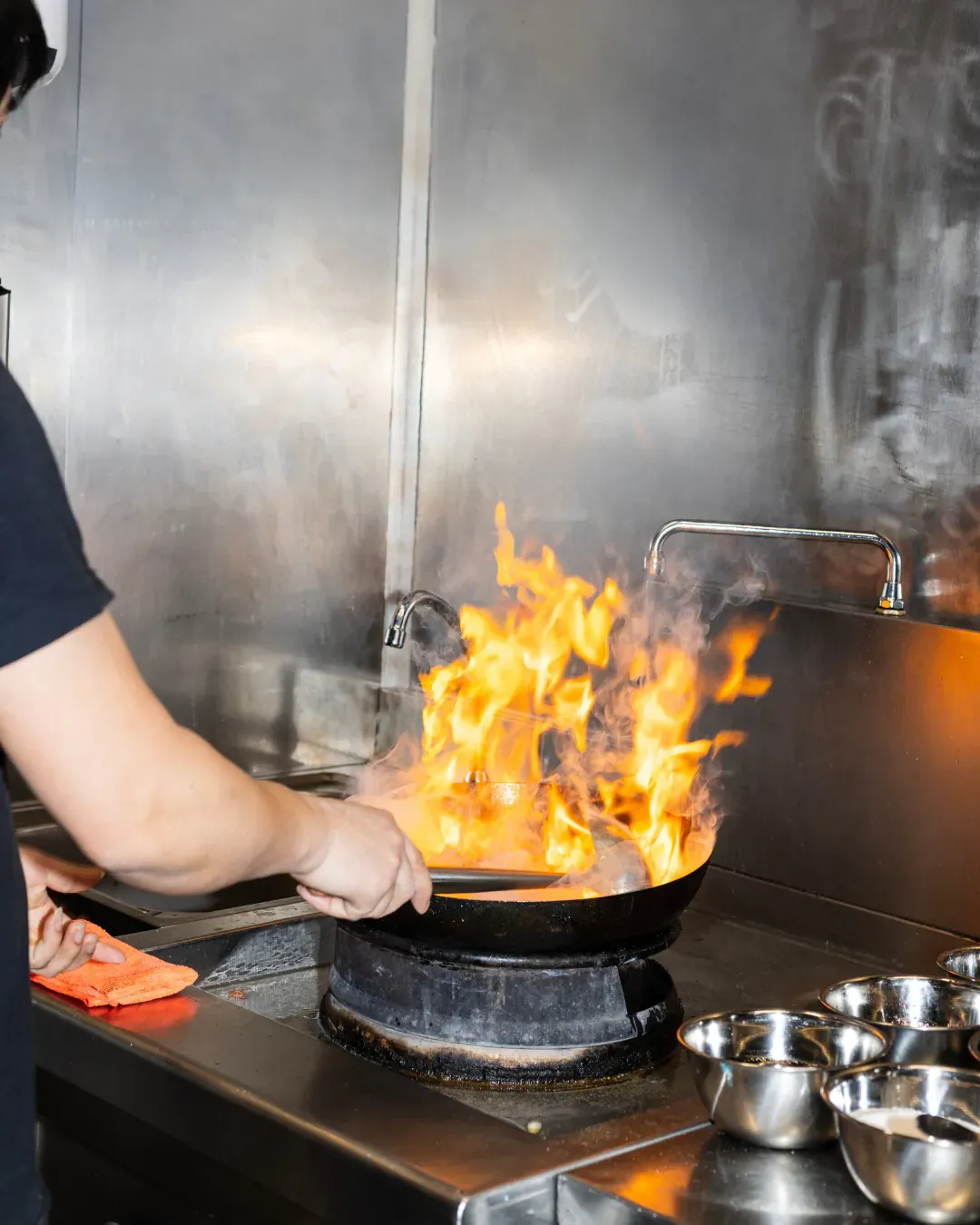
Char a large halved onion and a piece of unpeeled ginger over a flame until well coloured — this gives pho its amber colour and grilled notes.
Toast the spices dry for a few minutes, then tie them in a spice ball or muslin so they infuse cleanly.
Add the charred onion, ginger and spice pouch, then simmer 4–6 hours. Remove the braising meat once tender (1.5–2 h) and let the bones keep working.
Step 3: season and build the bowl
Strain the broth, then season: fish sauce for salty depth, a little salt, a spoon of cane sugar to round it out. Taste, adjust, taste again.
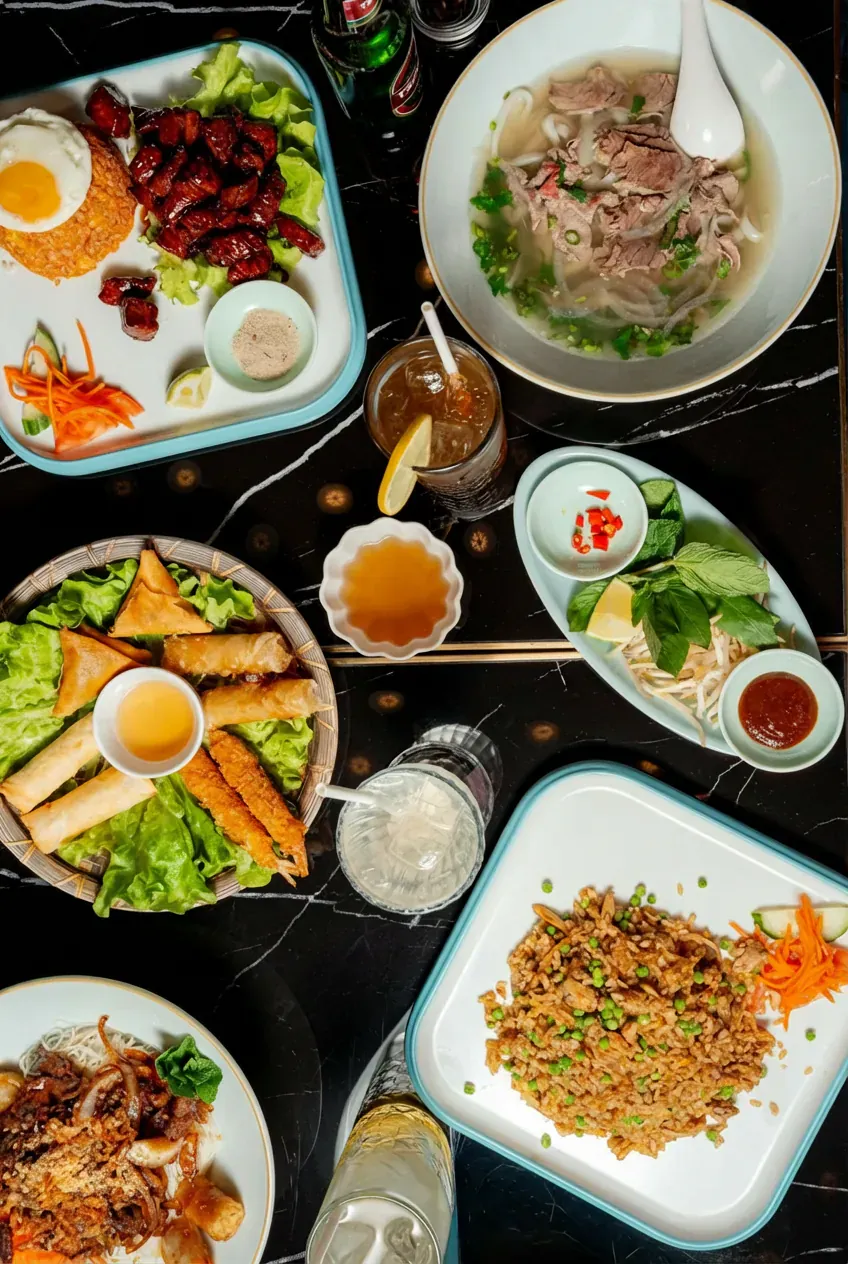
Cook the bánh phở noodles until supple but firm, slice the braised beef and, above all, slice a little raw tender beef very thinly — it cooks in seconds under the hot broth.
That raw beef seared à la minute is the spirit of a tái; if the nuance intrigues you, see our article on the difference between phở bò and phở tái. Pour the boiling broth over and add herbs, sprouts, lime and chilli at the table.
Mistakes that ruin a homemade pho
Most failures come from rushing, not lack of talent. Four common traps:
A cloudy broth. Usually from boiling too hard or skipping the blanch. Keep a low simmer and skim early.
An over-salted bowl. Fish sauce concentrates salt: add it in small touches at the end and taste each time.
Sticky noodles. Cooked too early they clump. Cook them à la minute, keep them firm, add hot broth just before serving.
Herbs added too soon. Drowned in the pot they lose their spark. Add them fresh in the bowl, never during cooking.
Ahead, freezing and an express version
Pho is ideal made ahead: the broth deepens overnight and keeps 3–4 days chilled, letting you lift off the set fat.
Strain and freeze the broth alone for up to three months; prepare noodles, meat and herbs when serving.
For phở gà, swap beef bones for chicken, lighten the spices and cook 1.5–2 h. A weeknight express version works too, from a good stock infused with charred aromatics and spices for 30 minutes.
No time for a 6-hour simmer?
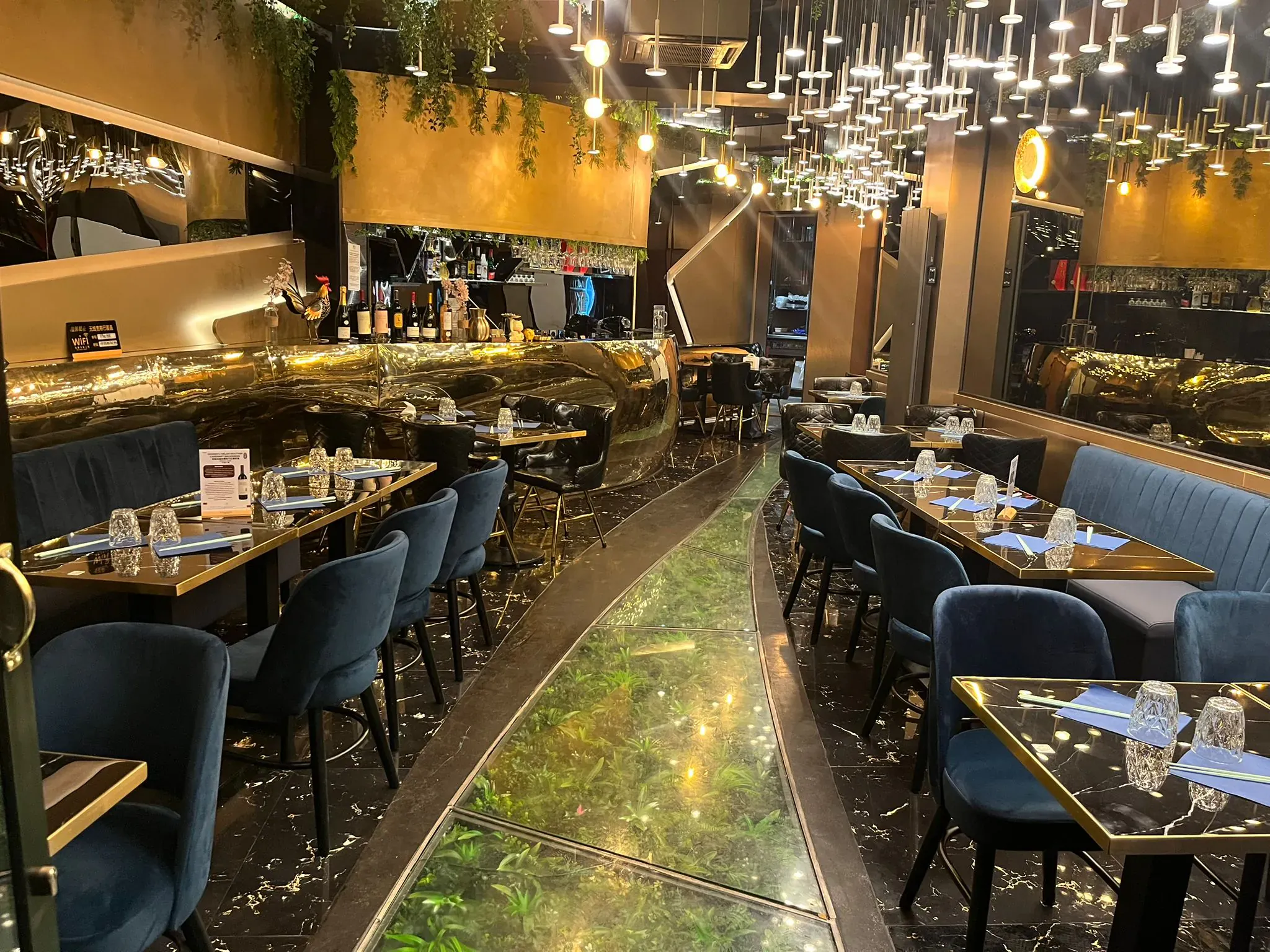
Some evenings you want the bowl without the half-day pot. At Phở 98, on Faubourg Montmartre, the broth simmers for you and the bowl arrives piping hot. When the craving for a real broth beats the urge to cook, just enjoy a phở in Paris 9e: same patient broth, zero washing-up.
Craving a pho without the six hours?
Book your table at Phở 98, 45 rue du Faubourg Montmartre, Paris 9, or order delivery when you don’t have half a day to spare. We’ll handle the broth.
Your beef pho recipe questions
How long does the phở bò broth take?
Around 4–6 hours at a gentle simmer, after a 10-minute blanch of the bones. Keep it barely simmering and skim early.
Can I make pho ahead or freeze it?
Yes — the broth improves overnight (3–4 days chilled) and freezes alone for up to three months. Prepare noodles, meat and herbs at serving time.
How do I get a clear broth?
Blanch the bones and discard that first water, keep a low simmer, skim patiently the first hour and strain before serving.
Which noodles should I buy?
Flat rice noodles labelled bánh phở, fresh or dry, cooked just before serving and kept supple but firm.
Is there a chicken version, phở gà?
Yes — same method with chicken instead of beef, lighter spices and a shorter 1.5–2 h cook.
Can I make an express pho?
From a good beef stock infused with charred onion, ginger and spices for 30 minutes. Not the six-hour bowl, but the spirit is there.
Prefer the bowl without the pot? Find the meilleur pho paris at Phở 98, in the 9th arrondissement.