The first surprising bite
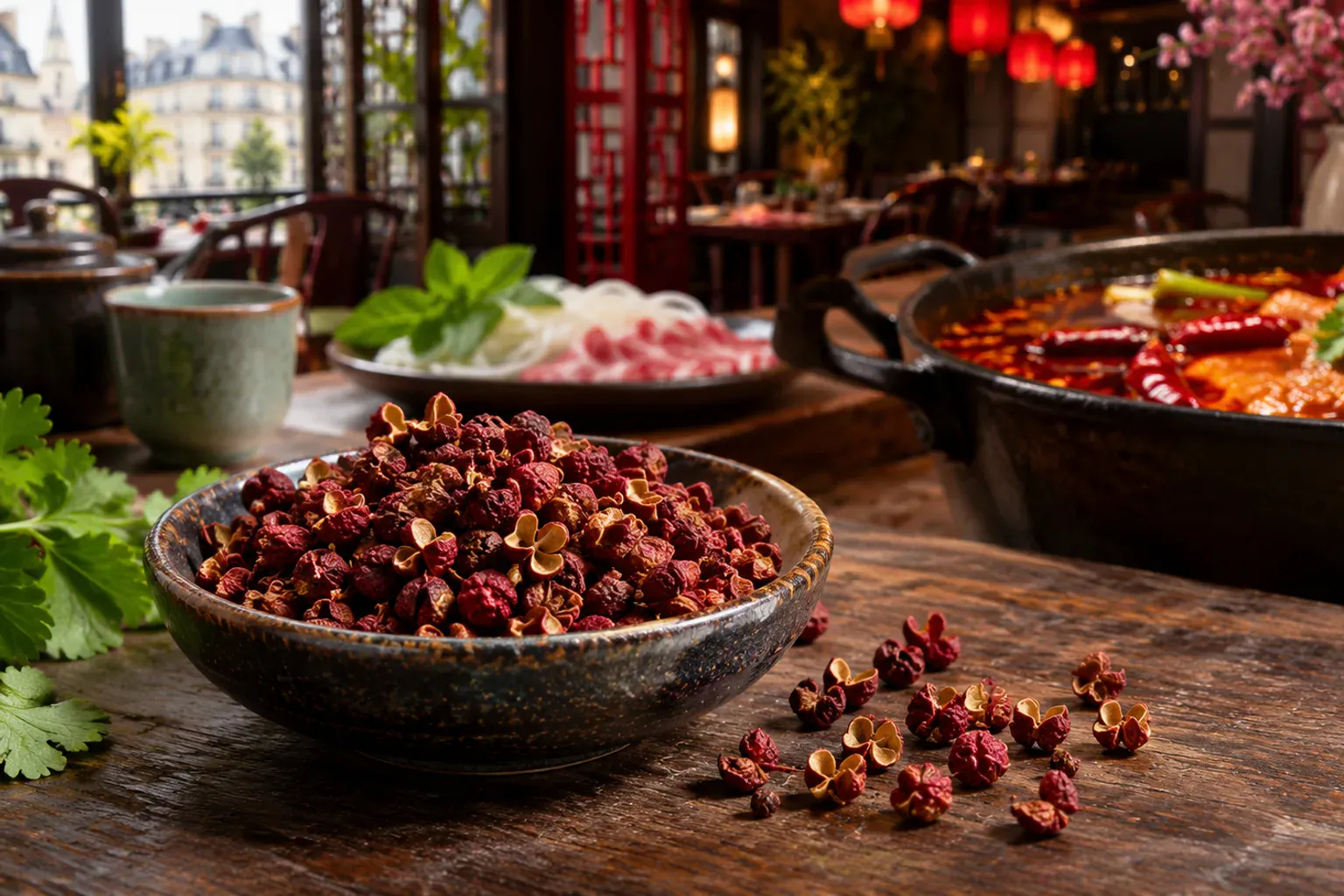
You expect chilli burn and get a citrus scent, then a buzz on the lips and a gentle numbness: the Chinese call it "má".
It comes from huājiāo, which our Sichuan hot pot guide only mentions in passing.
Sichuan pepper is not a pepper
It comes from Zanthoxylum shrubs of the citrus family (Rutaceae), unrelated to black pepper.
Only the husk is used; the black seed is gritty and flavourless. Red and green varieties exist.
Red · 红花椒
Warm, woody, deep numbness. For braises and rich broths.
Green · 青花椒
Lime-like, sharper tingle. For fish and light dishes.
Why does it tingle? Sanshool explained
Chilli triggers heat-pain receptors; hydroxy-alpha-sanshool triggers touch receptors, which fire as if vibrating at about 50 Hz (UCL, 2013).
The numbness that follows makes chilli heat easier to bear, the basis of mala.
Mala (麻辣): numbing and burning
Má, the numbness; là, the chilli heat
麻 is the numbing of huājiāo, 辣 the burn of chilli. Mala is only one of many Sichuan flavour profiles.
How mala balances fat, heat and aroma
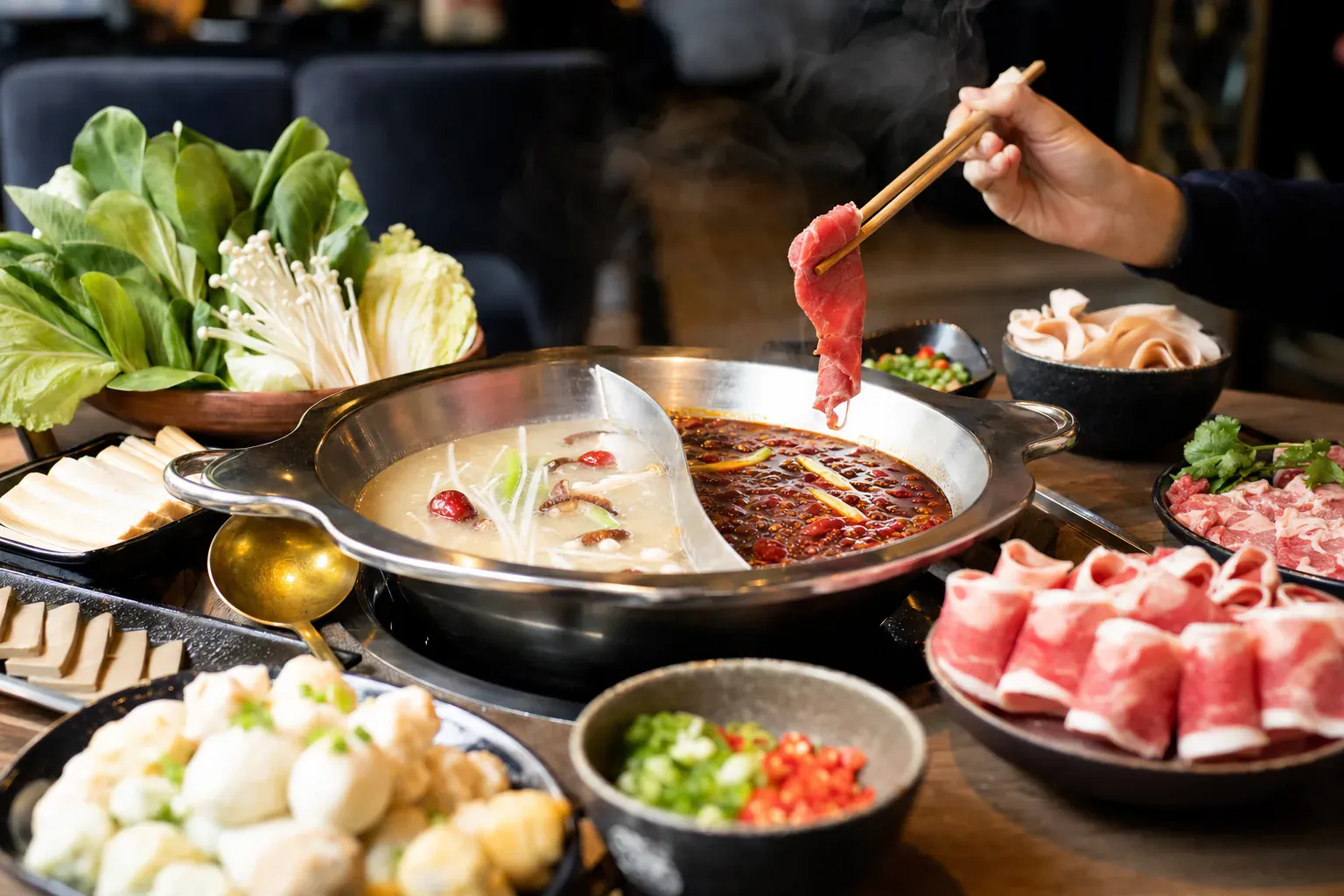
Fat carries the aromas, má cuts richness, là adds depth. The best way to feel it: taste mala in our Sichuan pots.
A short history: from Sichuan to the world
Cited some 2,500 years ago, huājiāo predates chilli, which reached China in the late 16th century.
The US banned imports from 1968 to 2005 over a citrus-canker risk, before Europe embraced the tingle.
How to cook with it
A fragile spice: wake its aromas without burning them.
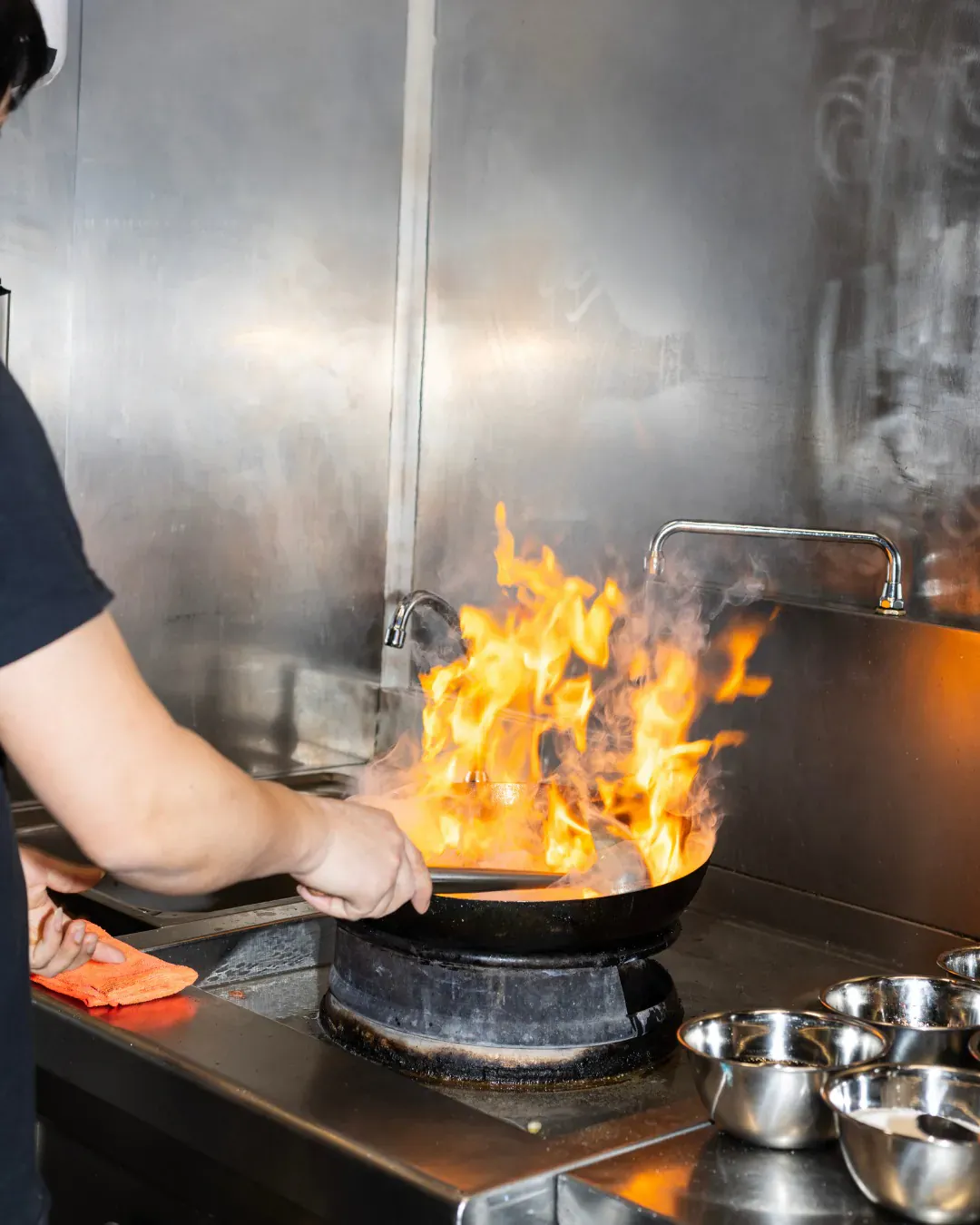
Toast, grind, infuse
Dry-toast, grind, or infuse in warm oil; mix with salt for jiāoyán.
Red or green?
Red for braises and rich sauces; green for fish and fresh dishes.
Buying and storing
Buy whole, open husks with few seeds; keep airtight and grind as needed.
Dishes where it reigns
A quick tour, no recipes.
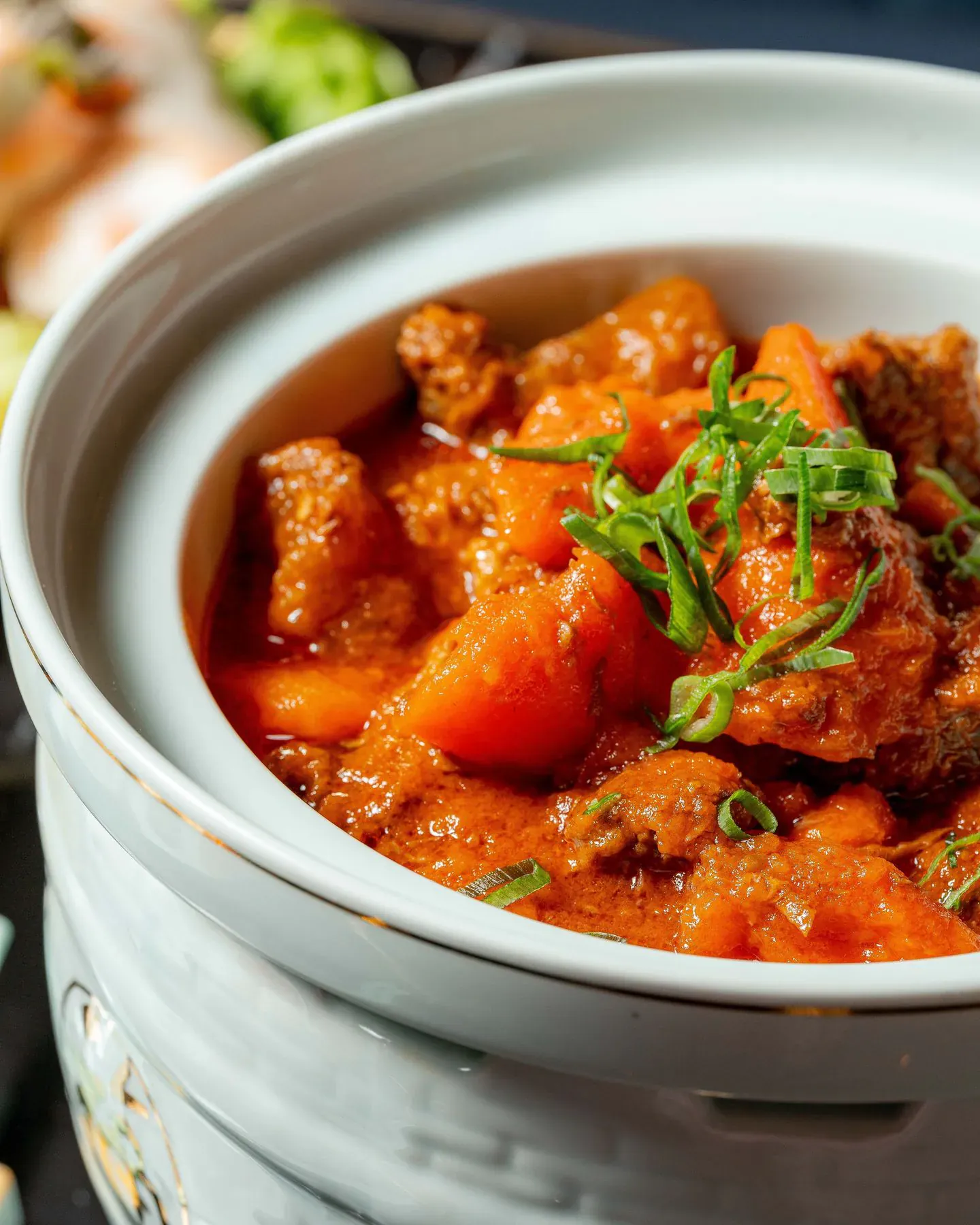
Mapo tofu
Silken tofu in red sauce, finished with ground pepper.
Hot pot
Handfuls of berries in the broth: see our hot pot guide.
Suan cai yu
Pickled-mustard fish: read suan cai yu.
See also choosing a Chinese restaurant in Paris.
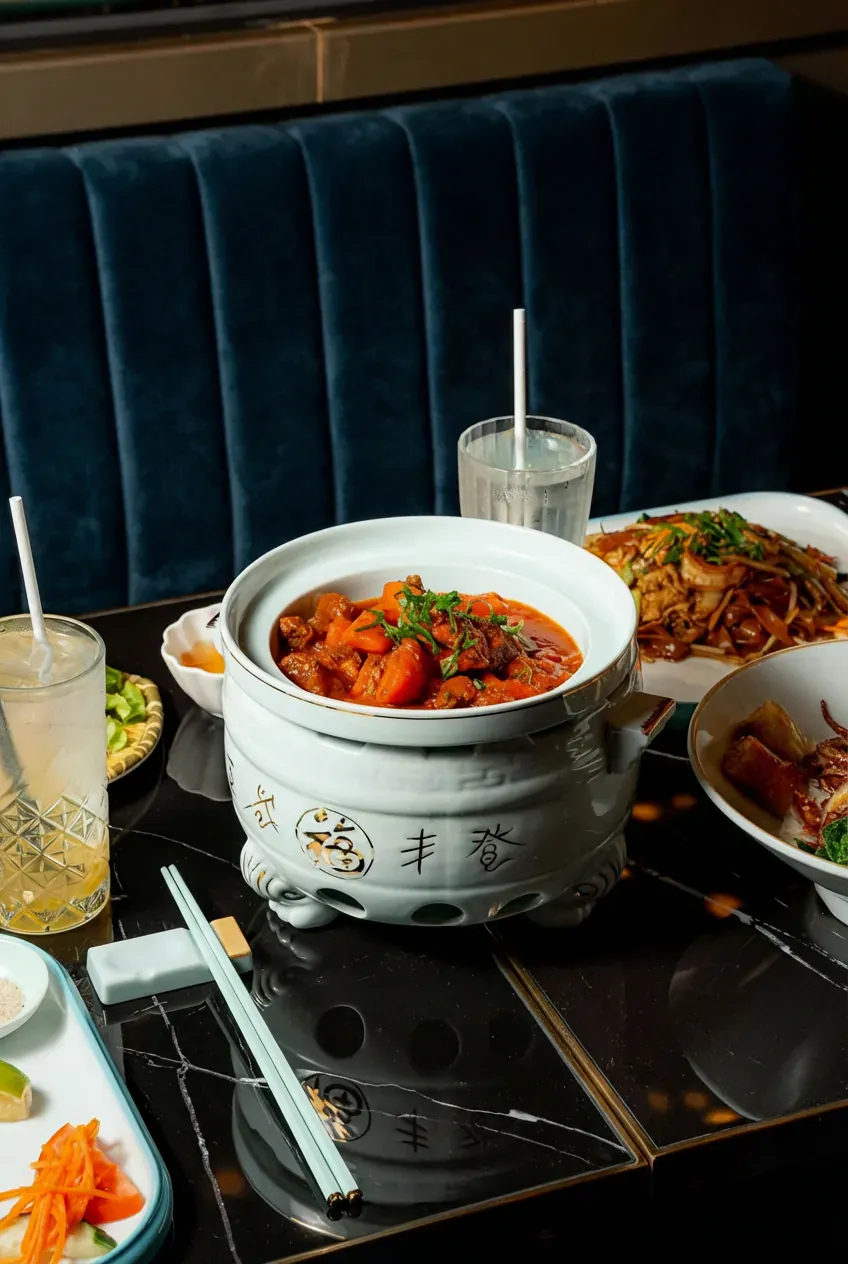
First time: taming mala
Start mild, sip something warm, sweet or milky rather than iced water, and keep rice close. Our Asian restaurant in Paris mixes mild and bold dishes.
- Start at a mild level
- Keep rice handy
- Avoid iced water