A pot that simmers in the middle of the table
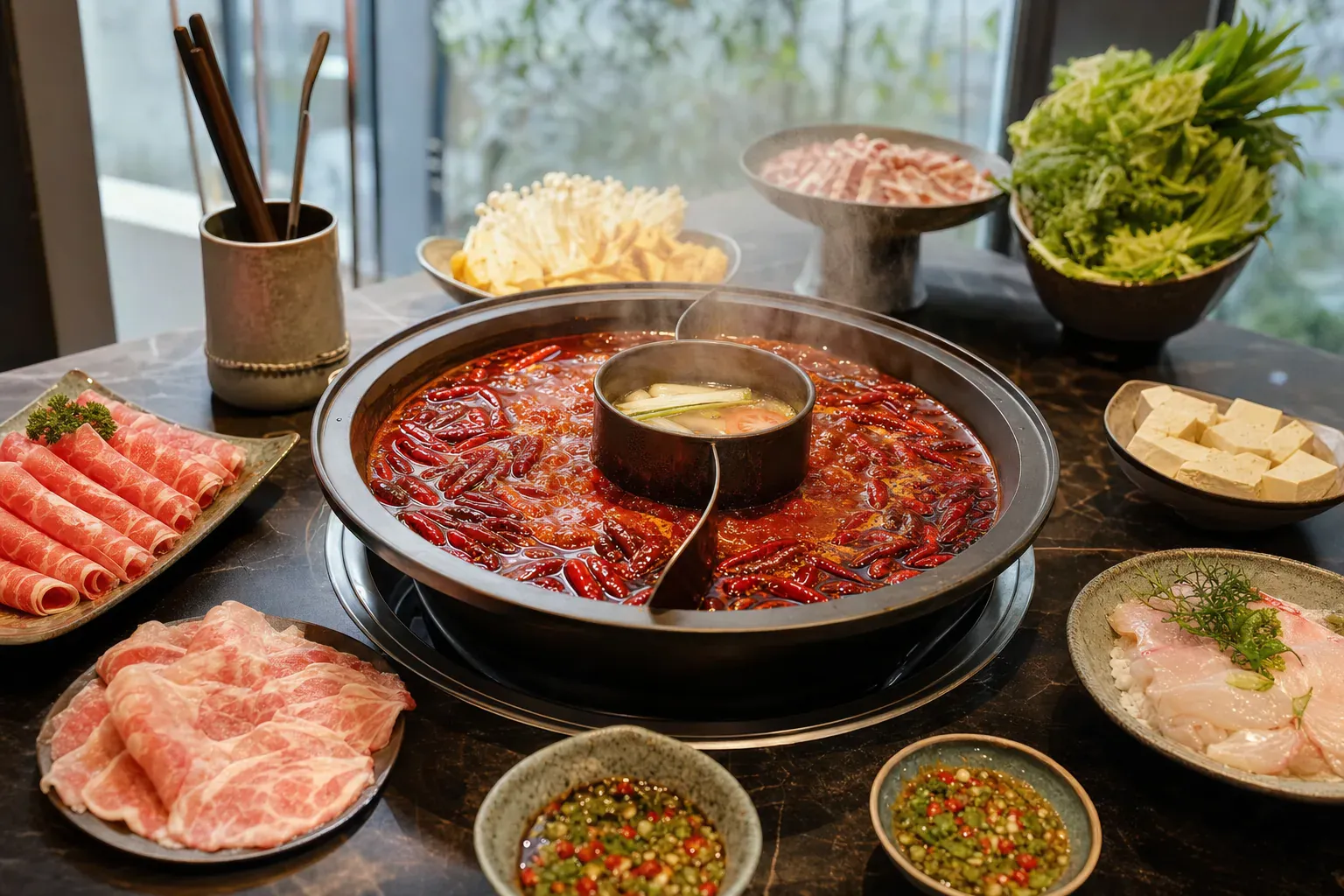
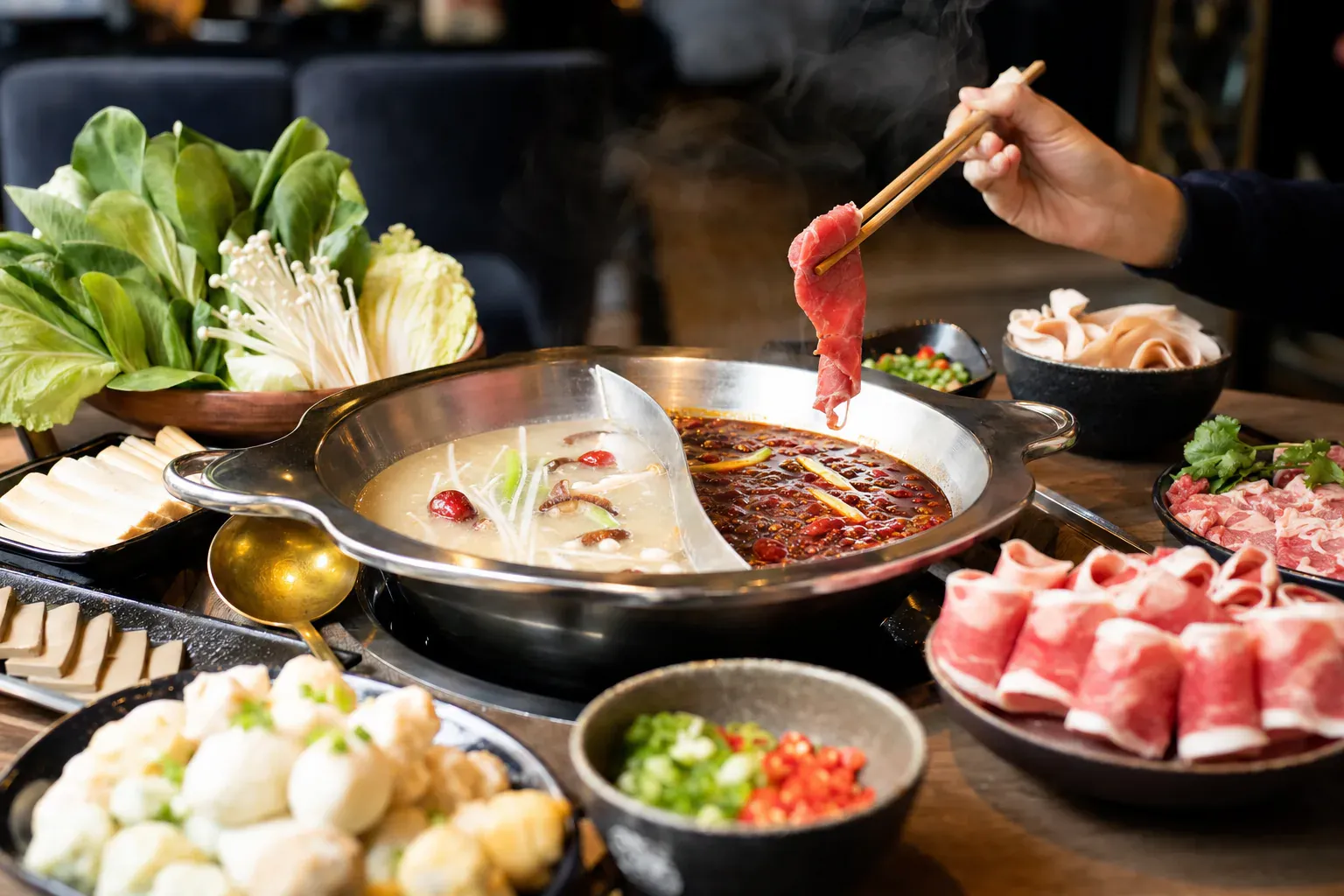
Hot pot (火锅, huǒguō, 'fire pot') is not a finished dish brought to you: a broth is kept simmering at the centre of the table and each guest cooks their own pieces, one by one.
That is its charm — it is both cooking and ritual. Nobody just watches; everyone cooks a little, and adjusts each bite to their taste. It is a dish to share, not to order individually.
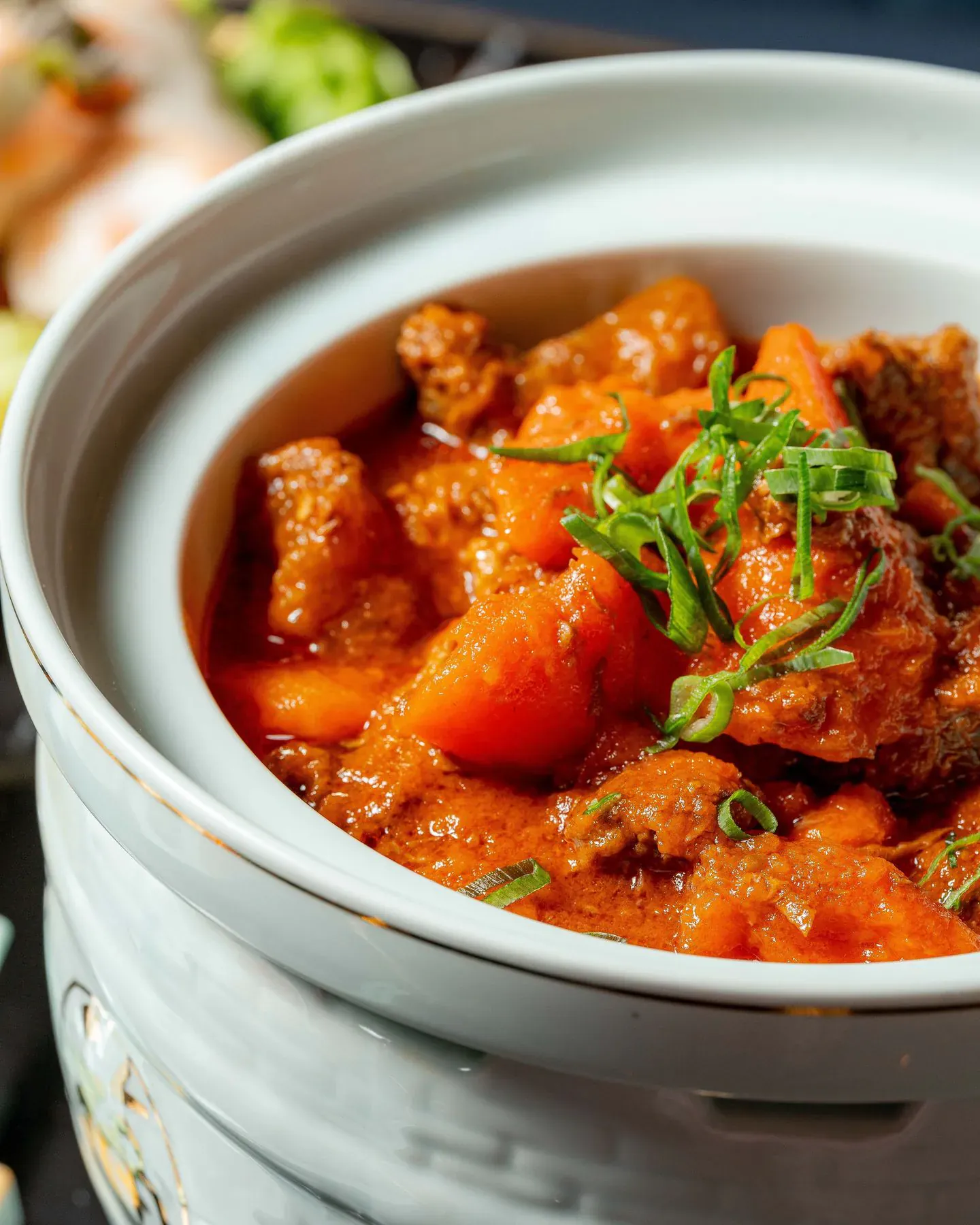
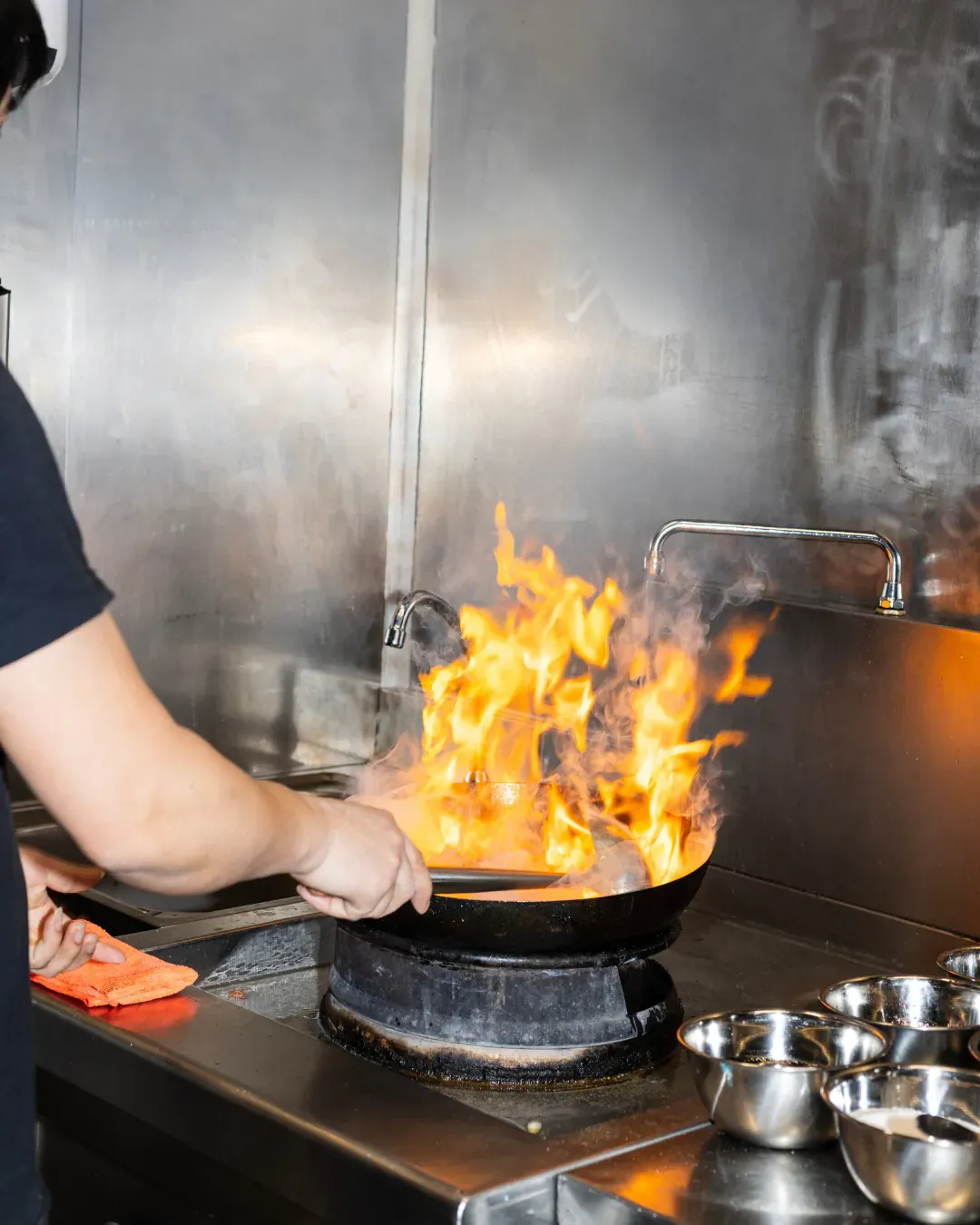
Do not confuse it with a stew served already cooked: in a hot pot, cooking happens at the table, to the minute, before your eyes — the gesture behind the Sichuan pots.
Where Sichuan hot pot comes from
The idea of cooking food in a shared broth is ancient in China, but the red, chilli-laden Sichuan hot pot was born around Chongqing and Sichuan, on the humble tables of boatmen and dockers.
From that popular dish it became a phenomenon that conquered China and the world — one of the most recognisable symbols of Chinese cuisine.
Chongqing or Chengdu: two schools
Sichuan hot pot really means two families, carried by two neighbouring cities with different temperaments.
Chongqing, raw fire
Dense beef-tallow broth, a flood of dried chillies and pepper: bold, burning, uncompromising.
Chengdu, aromatic balance
Still spicy, but seeking aroma and depth. The mala is finer here — a hot pot for the nose as much as the tongue.
The broth’s secret: mala
Mala (麻辣) blends two feelings. The ma (麻) is Sichuan pepper — not a chilli but a berry — which brings a tingling, numbing buzz. The la (辣) is the heat of dried chillies.
Together, the pepper numbs just enough to take more heat, while the chilli wakes it up. Star anise, cinnamon, ginger and garlic add depth: it is a built composition, not just a burning bath.
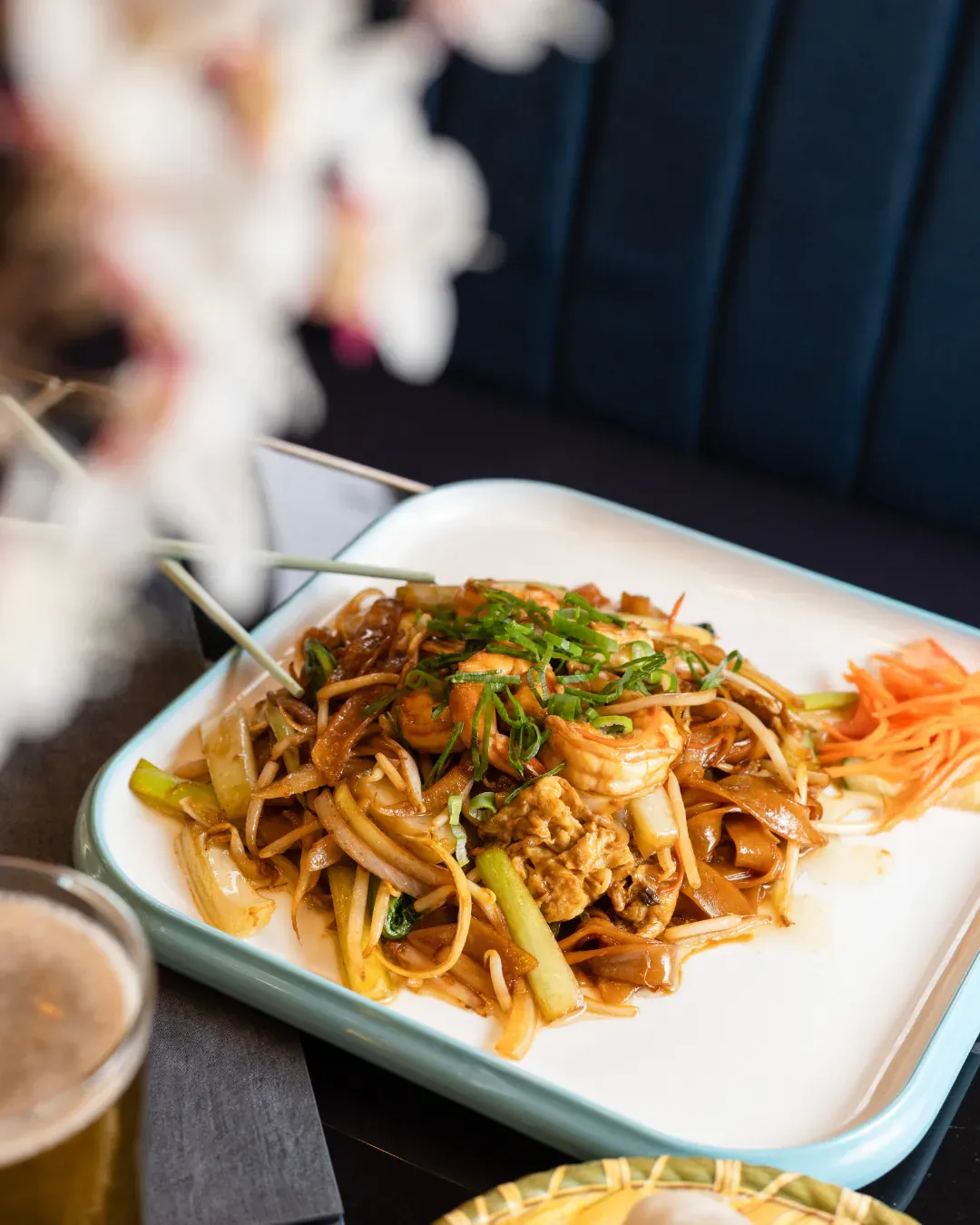
That is why 'spicy' is too poor a word. The Phở 98 finds that mala spirit in its bold evening dishes.
The yin-yang broth
How do you seat chilli lovers next to the cautious? With the divided yin-yang pot (双拼, shuāngpīn).
One side holds the red mala broth, the other a mild, fragrant clear broth. Everyone cooks in the half that suits them — you never have to choose between sharing and your own tolerance.
What goes into a hot pot?
Meats come as very thin slices that cook in seconds — beef above all, plus lamb, poultry and seafood.
Alongside them: tofu in every form, mushrooms, greens, lotus, potatoes, and noodles dropped at the end into the now-concentrated broth. Order matters — noodles and delicate greens go last.
- Thin slices of beef, lamb or poultry
- Fresh or fried tofu, tofu skin, balls
- Mushrooms, greens, lotus, potatoes
- Noodles and vermicelli, for the end
The dipping sauces
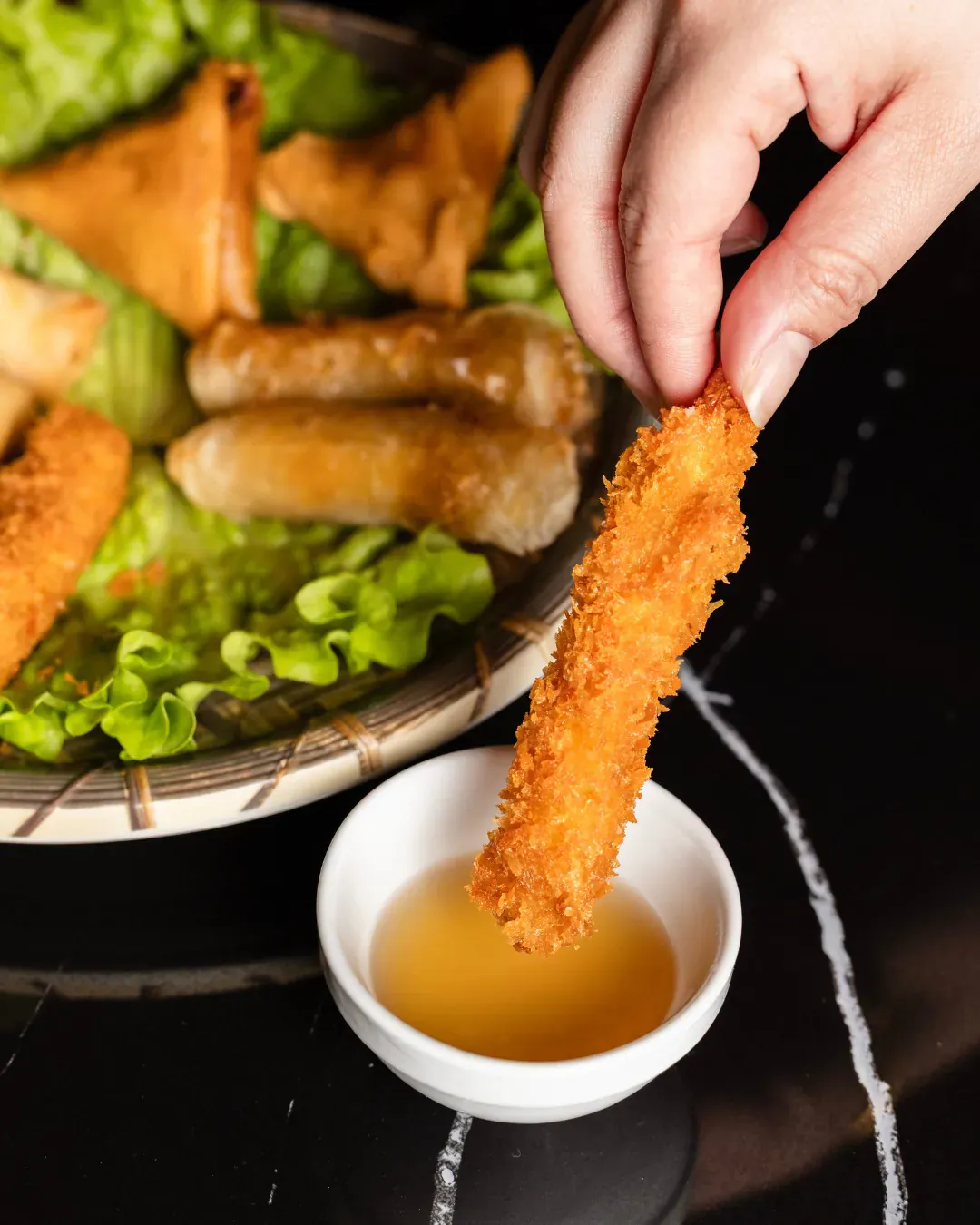
The dipping sauce matters almost as much as the broth: after fishing out a hot piece, you dip it into your own bowl before eating.
The Sichuan classic is a creamy sesame sauce, personalised with garlic, spring onion, coriander and chilli oil. Building your own sauce is part of the ritual.
How to eat a hot pot
Nothing intimidating once you know the flow of the meal.
Start the broth
Wait until it clearly simmers before dipping anything.
Cook in small amounts
Add pieces gradually without overloading; thin meat cooks in seconds.
Dip and savour
Each bite goes through your personal sauce before eating.
Finish with noodles
At the end, cook noodles in the flavour-loaded broth.
For sensitive palates: cook on the mild side and use sesame sauce and rice to temper the heat.
Hot pot, Chinese fondue, stew
The real dividing line is between what you cook yourself and what arrives already cooked.
Hot pot
A shared broth where you cook to the minute. Sichuan hot pot is its mala-spiced version — active and shared.
The simmered pot
Arrives already cooked, like a stew in its casserole. You eat, you no longer cook.
Chinese fondue
Often a milder synonym, close to Japanese shabu-shabu: light broth, thin meats — same cook-it-yourself idea, without the mala fire.
To place these among China’s regional cuisines, see our guide on choosing a Chinese restaurant in Paris.
Tasting the spirit in Paris 9
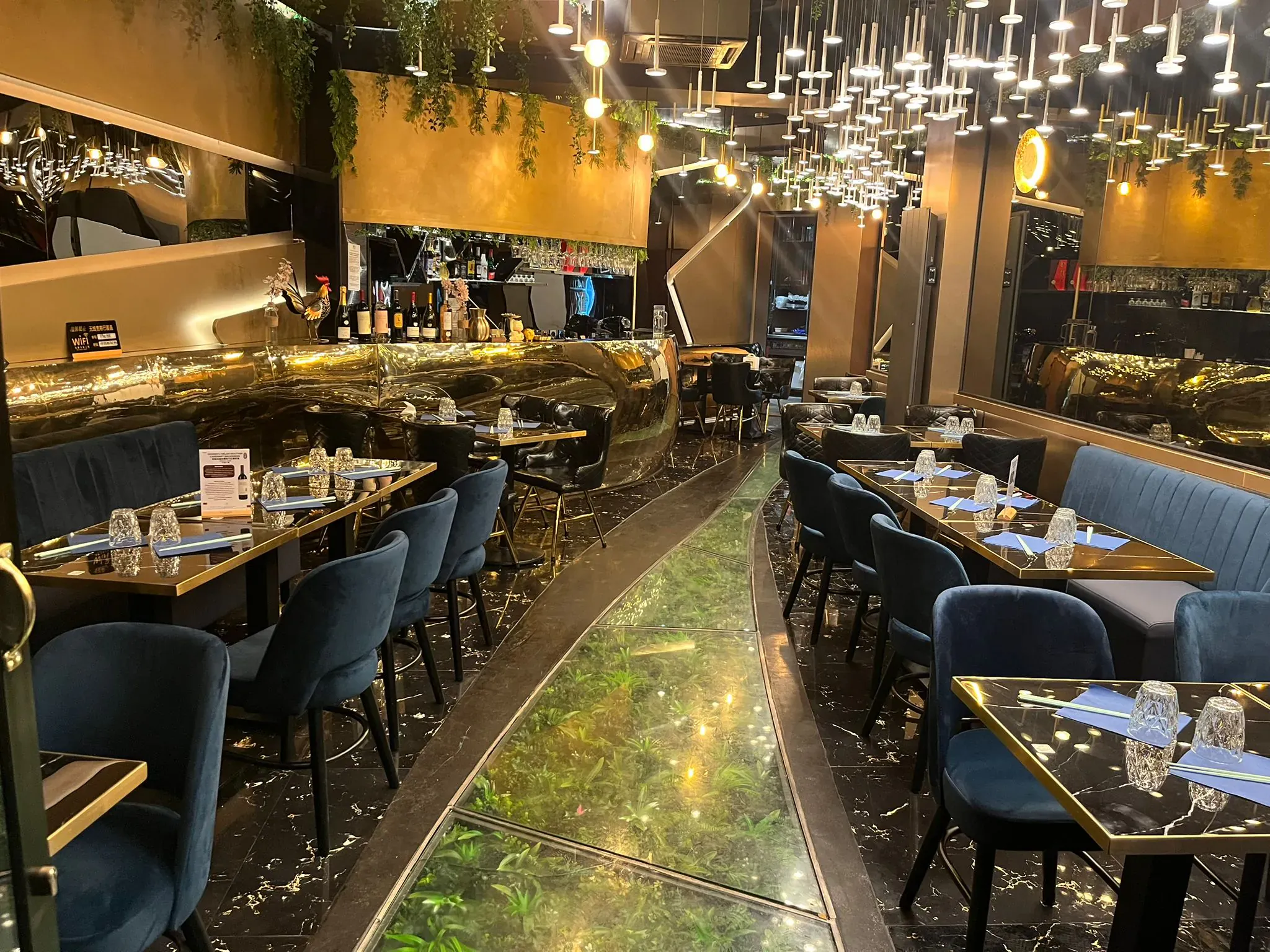
At Phở 98, 45 rue du Faubourg Montmartre, near the Opéra, the beef fondue and Sichuan pots carry that same taste of the shared dish.
It is a generous evening cuisine, made for the middle of the table. Browse the menu, then book a table to share a pot, or order via Citron 8, Deliveroo and Uber Eats.