Vietnamese soup: the great soups of Vietnam and how to recognise them.
Clear broth, soft rice noodles and herbs you add yourself: a short guide to the codes and great families of Vietnamese soup.
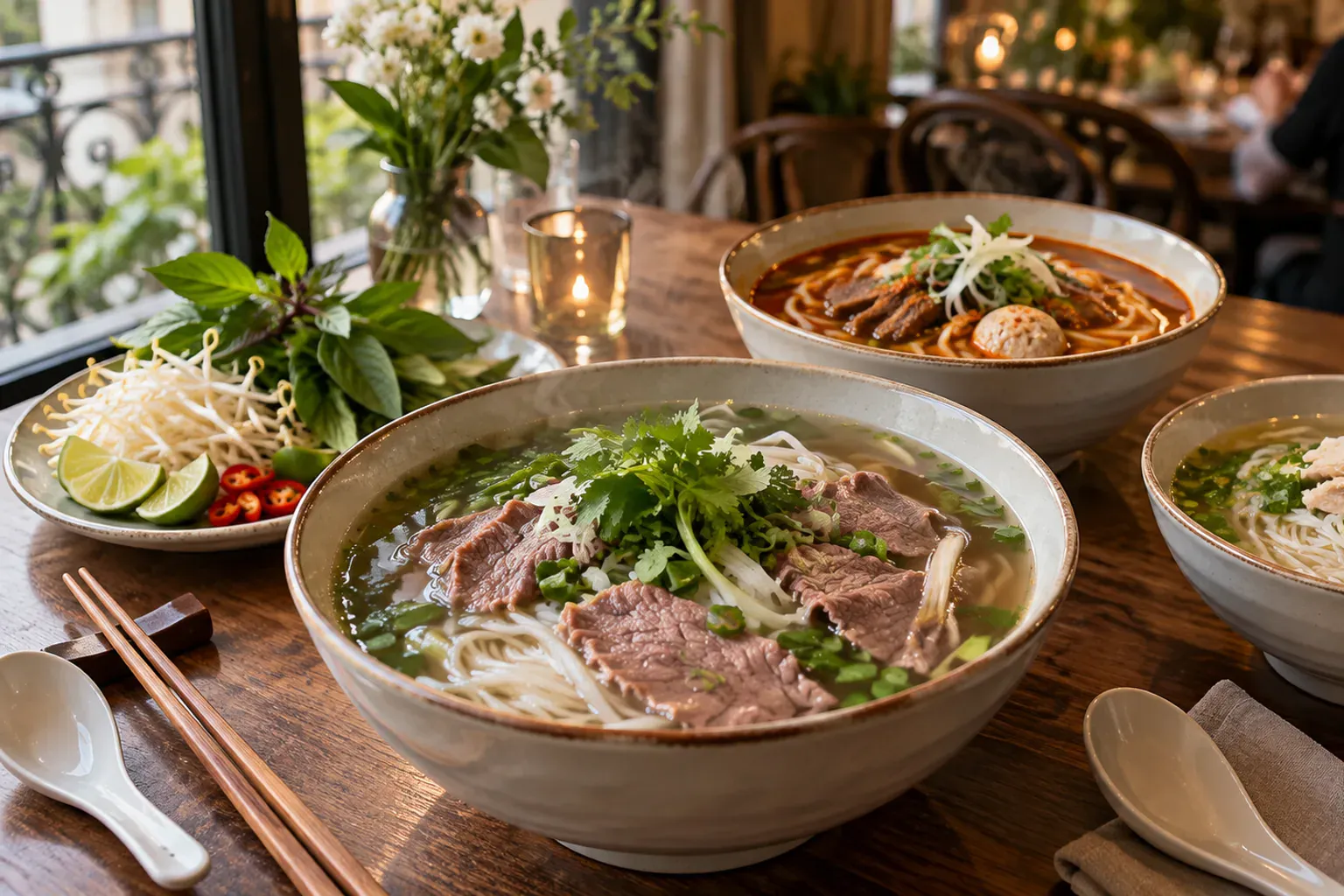
A Vietnamese soup combines a clear, slow-simmered broth, noodles (usually rice) and fresh herbs, lime or chilli added at the table. Phở is the best known, alongside bún bò Huế, bún riêu, hủ tiếu and others. At Phở 98 in Paris 9th, you will find phở in several versions and rice noodle soups with lacquered duck, beef stew, shrimp wontons or vegetarian.
What is a Vietnamese soup?
A Vietnamese soup rests on three pillars: a clear simmered broth, noodles, and fresh garnishes added at the last moment.
It is served as a base that each diner finishes to taste, at any time of day.
The broth, heart of the bowl
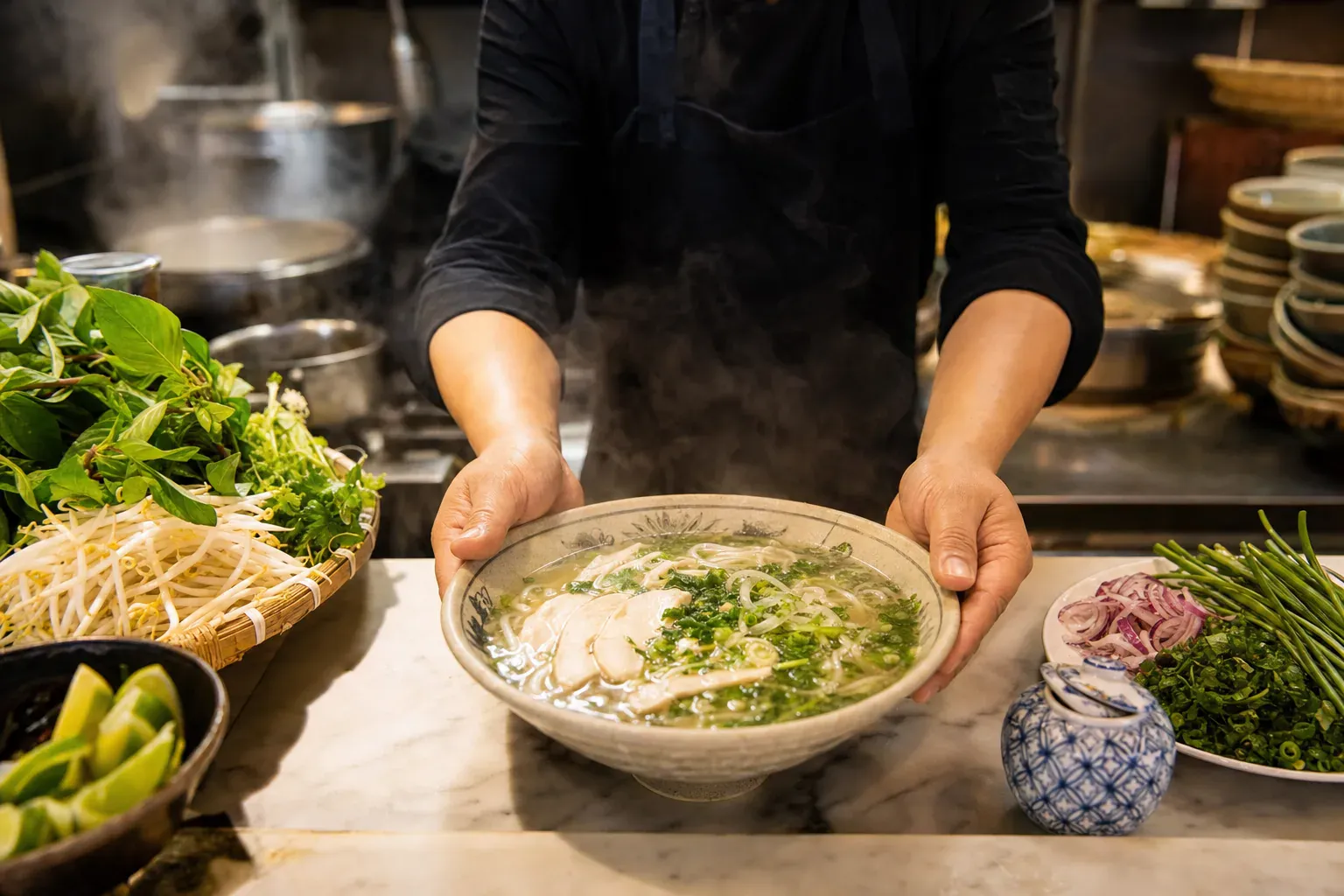
A good soup is judged by its broth: clear, flavourful, never greasy.
Always taste the broth on its own before adding anything.
Beef, poultry or vegetable bases each bring a different mood.
Rice noodles and other noodles
Most Vietnamese soups use rice noodles; their shape often names the soup: flat bánh phở, round bún, thick bánh canh, wheat-based mì.
Fresh herbs and toppings added at the table
The garnish plate is what makes each bowl personal.
Herbs
Thai basil, coriander, mint, spring onion.
Crunch
Bean sprouts and sliced onion.
Acidity
A squeeze of lime, gently.
Heat and sauces
Fresh chilli, chilli or hoisin sauce, to taste.
The great soups of Vietnam
Phở is only one of many Vietnamese soups. Here are the main families, in broad strokes.
Phở
Flat rice noodles in a clear, gently spiced broth.
Bún bò Huế
Round noodles and beef in a lemongrass broth.
Bún riêu
Tomato broth with a crab preparation.
Hủ tiếu and mì
Clear noodle soups, often with wontons.
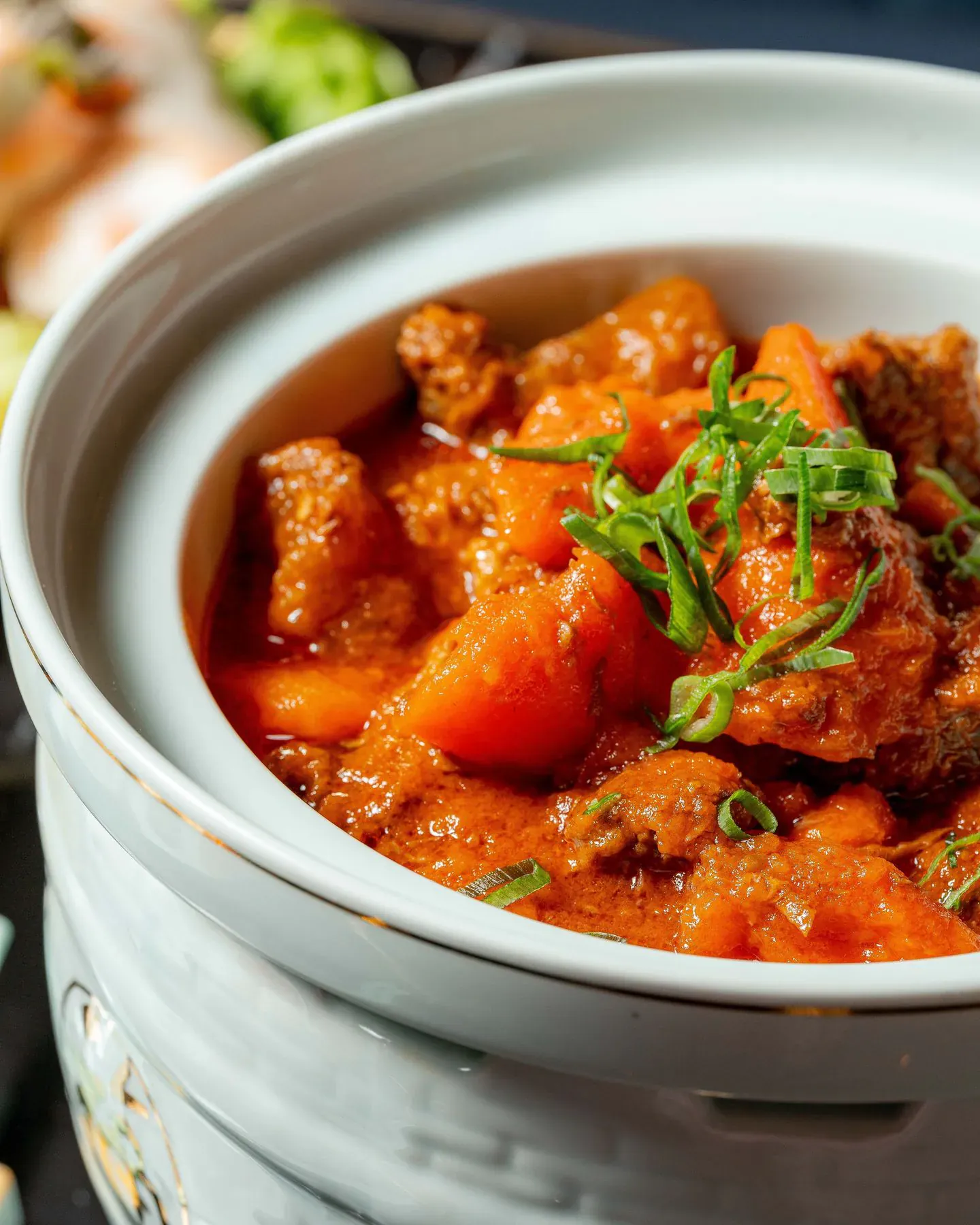
Simmered soups
Slow-cooked beef stew served with noodles.
Canh chua and cháo
A sweet-and-sour soup and a comforting rice porridge.
What matters is spotting the clues in your bowl.
How to recognise a Vietnamese soup at a glance
A few simple clues help you find your way.
| Clue | What to look at | What it tells you |
|---|---|---|
| First word | Phở, bún, mì… | The type of noodle. |
| Broth colour | Clear or red-orange | Gentle spices or tomato and lemongrass. |
| Side plate | Herbs, lime, chilli | Season it yourself. |
“Bò” means beef, “gà” means chicken.
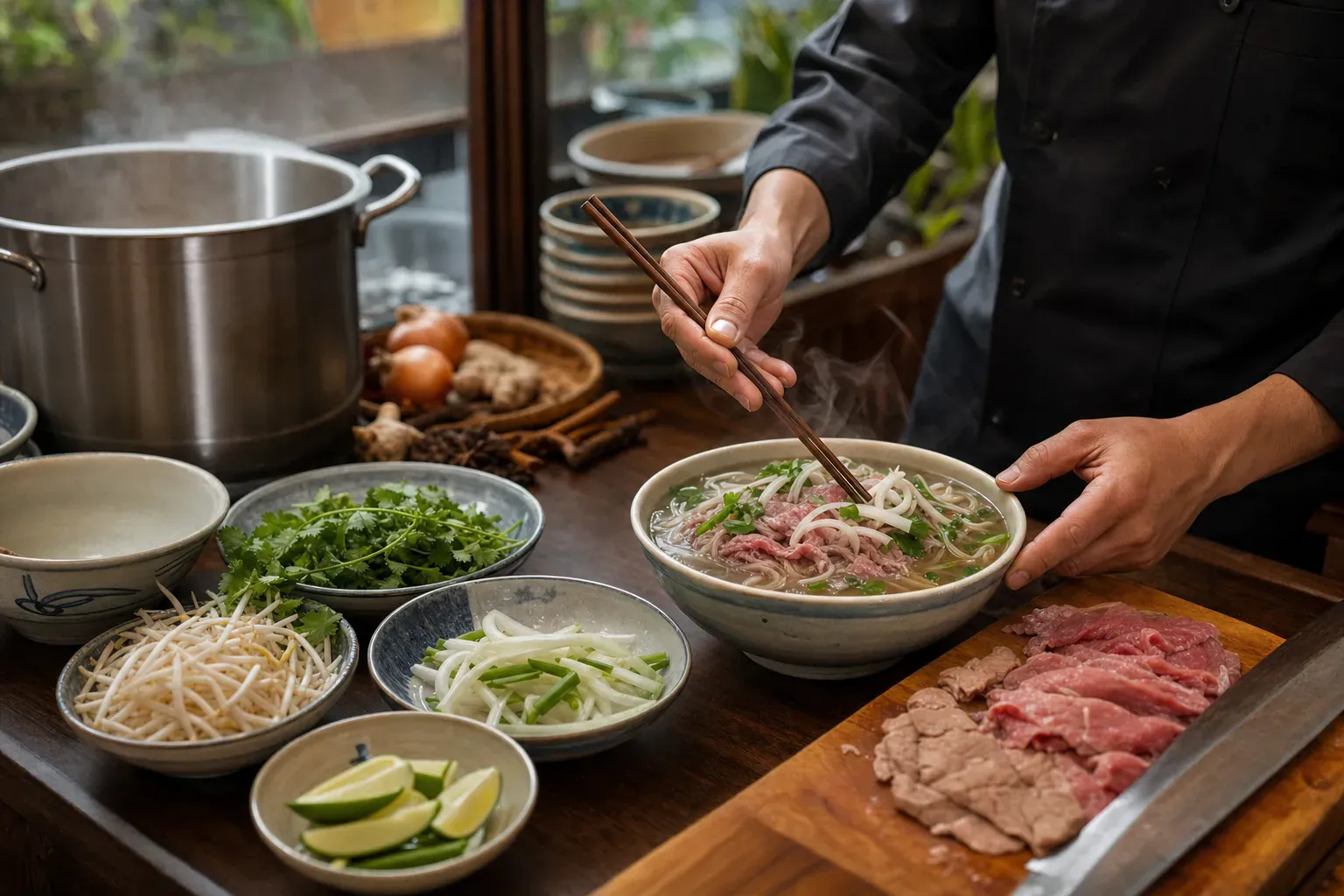
Phở, the best-known Vietnamese soup
Phở sums up the whole genre: clear broth, flat rice noodles, sliced meat and herbs.
For the differences between its beef versions, read our dedicated guide.
Soup or dry dish: choosing well
Bobun shares the ingredients but is eaten without broth, with a sauce on the side.
Ordering a Vietnamese soup at the restaurant
Choose by topping first, then by noodle type. Most soups come mild, with chilli on the side.
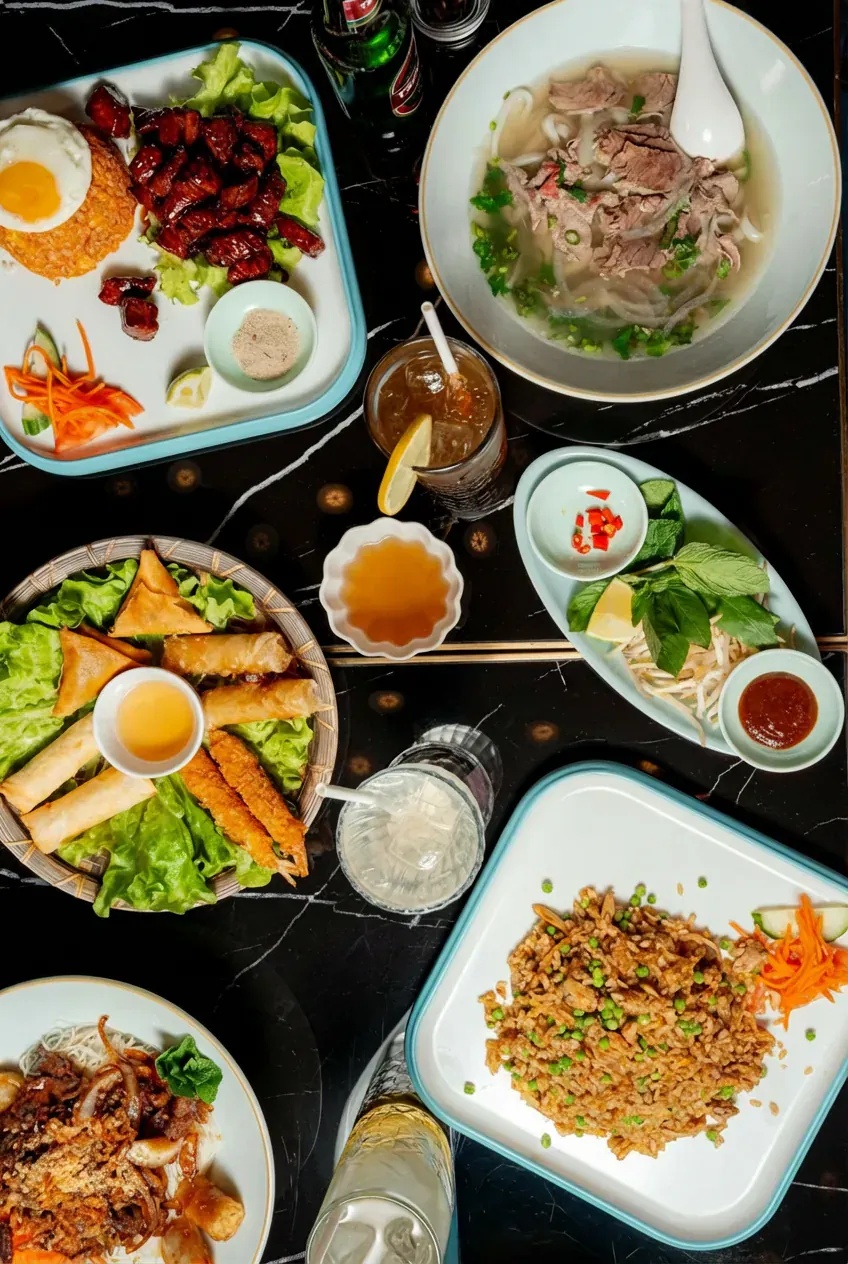
Chopsticks and spoon: how to enjoy it
Chopsticks in one hand, spoon in the other. Taste the broth, then season little by little, and eat without waiting too long.
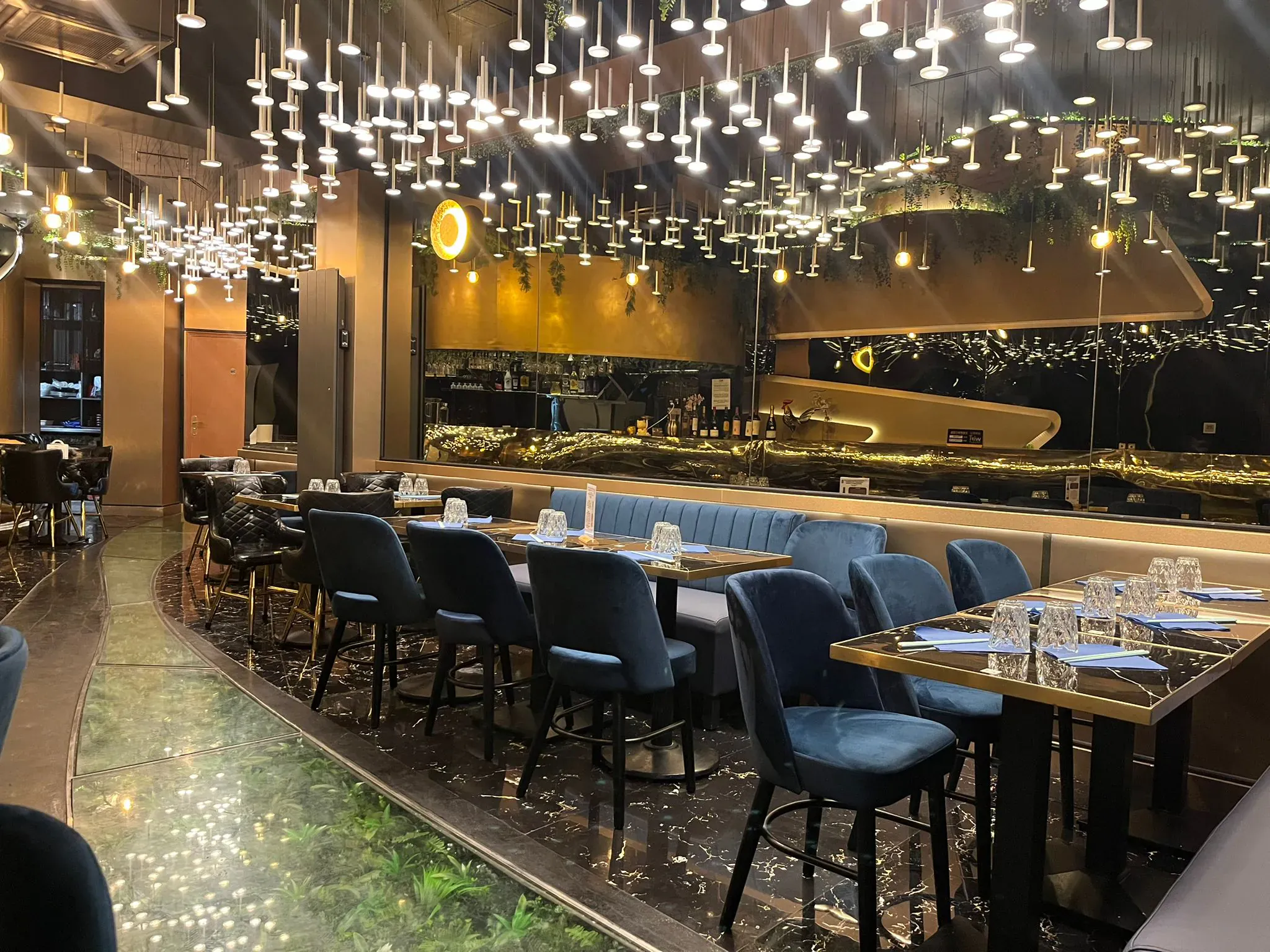
Where to enjoy a Vietnamese soup in Paris 9th
At 45 rue du Faubourg Montmartre, Phở 98 serves phở in several versions and rice noodle soups with lacquered duck, beef stew, shrimp wontons or vegetarian.
Discover our Vietnamese restaurant in Paris or browse the menu.
Your questions about Vietnamese soup
Are Vietnamese soup and phở the same thing?
No, phở is one Vietnamese soup among many.
How do you eat it with chopsticks and spoon?
Chopsticks for noodles and meat, spoon for the broth.
Can you order it for delivery?
Yes, Phở 98 delivers via Citron 8, Deliveroo and Uber Eats.
Is it always spicy?
No, chilli is usually served on the side.
Are there vegetarian versions?
Yes, Phở 98 offers a vegetarian rice noodle soup.
How is it different from ramen?
Clear broth, rice noodles and fresh herbs added at the table.
Going further
Discover our restaurant vietnamien paris page, in the heart of the 9th.